The meal kit delivery business has transformed the way people cook and eat at home. With customers seeking healthier meals, time-saving solutions, and the joy of cooking without the hassle of grocery shopping, meal kits have quickly become one of the fastest-growing segments of the food industry.
If you’ve ever dreamed of building a food brand that combines convenience with creativity, then learning how to start a meal kit service is the first step.
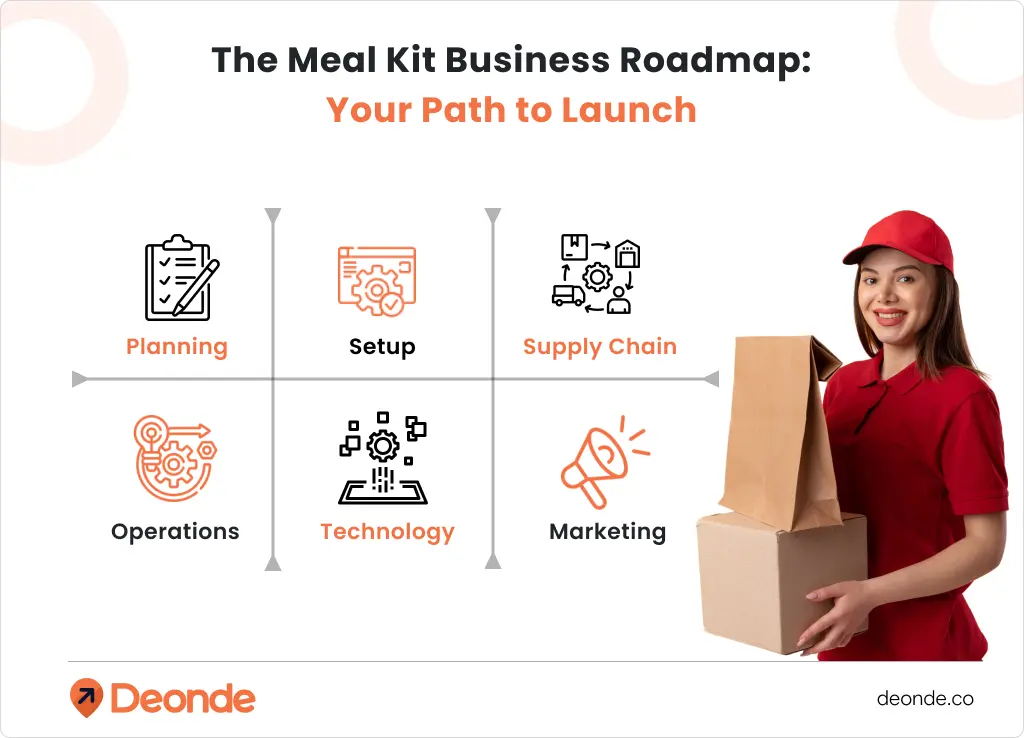
In this comprehensive meal kit startup guide, we’ll explore everything you need to know, from market research and business planning to supply chain, operations, technology, and marketing.
By the end, you’ll have a clear roadmap to launch and scale your own successful meal kit delivery venture.
What is a Meal kit delivery app?
A meal kit delivery app is a mobile or web application that allows users to order pre-portioned ingredients and chef-designed recipes to be delivered to their doorstep. The core purpose is to simplify home cooking by eliminating the need for meal planning, grocery shopping, and measuring ingredients.
Examples:
- Blue Apron – Provides chef-designed recipes with fresh ingredients.
- HelloFresh – Offers flexible meal plans with step-by-step cooking instructions.
- Marley Spoon – Delivers gourmet-style meal kits curated by chefs like Martha Stewart.
Top 10 Meal Kit Delivery Apps for Busy, Health-Conscious Foodies
Kickstart Your Meal Kit Business with Smart Research and Planning
Before starting any business, research is the foundation. The meal kit delivery market size is booming, and knowing the trends, competitors, and customer needs will give your business a strong footing.
Understanding the Meal Kit Industry Landscape
The global meal kit delivery market is projected to surpass $64 billion by 2030, fueled by the demand for convenience, healthier eating, and subscription-based services. The market is evolving with trends such as:
- Health and wellness focus: Customers want balanced, portion-controlled meals.
- Sustainability: Eco-friendly packaging and locally sourced ingredients are highly valued.
- Customization: Flexibility in choosing meals, portion sizes, and frequency.
Studying competitors like HelloFresh, Blue Apron, and Sunbasket can reveal proven business models and customer expectations.
Analyse their menu diversity, delivery logistics, and customer reviews. Look for market gaps, such as gluten-free meal kits, senior-friendly meals, or budget-friendly family options.
Defining Your Target Audience and Niche

The key to standing out in the meal kit delivery business is identifying a clear audience. Ask: Who are you cooking for?
- Demographics: Age, income, location, and family status.
- Lifestyle: Busy professionals who need quick dinners, families seeking kid-friendly meals, or health-conscious consumers who want keto or vegan options.
- Pain points: Lack of time, difficulty with meal planning, dietary restrictions, or desire to eat healthier.
Creating customer personas will help tailor your offerings. For example:
- Lisa, 30, is a health-focused millennial who wants organic meal kits.
- Mark, 40, is a working dad looking for family-friendly dinner kits under 30 minutes.
Developing a Comprehensive Business Plan
Your business plan is the blueprint for your meal delivery service.
- Business Objectives: Set clear, measurable goals, such as a target number of subscribers in your first year.
- Unique Value Proposition (UVP): What makes your meal kit business unique? Is it locally sourced ingredients, a focus on zero-waste packaging, or a unique subscription model?
- Financial Forecasts: Outline your startup costs, pricing strategy, and projected revenue. This is crucial for securing funding.
Set Up Your Business the Right Way: Legal Must-Knows
Food businesses come with strict regulations. Getting your legal foundation right will protect your brand and customers.
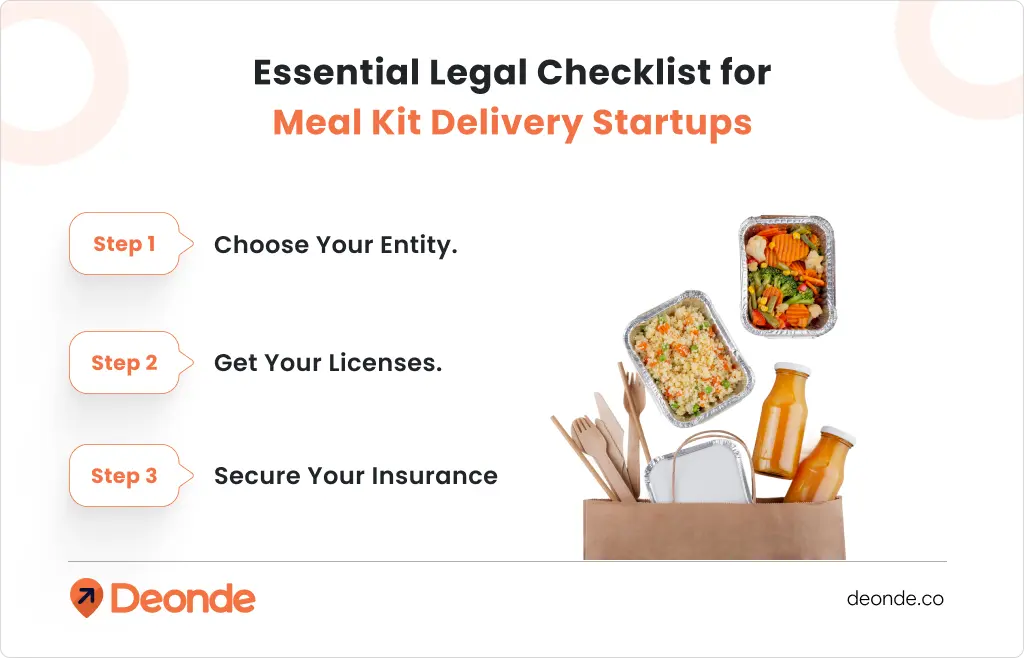
Choosing the Right Business Entity
You can structure your business as:
- LLC (Limited Liability Company): Popular for startups due to liability protection and tax flexibility.
- Corporation: Best if you want to attract investors.
- Partnership: Simple but exposes owners to more risk.
Register your business name, obtain an EIN (Employer Identification Number), and set up proper bookkeeping.
Food Safety and Regulatory Compliance
Food safety is non-negotiable for a meal kit company.
- FDA Regulations: Understand and comply with all FDA guidelines for food handling, preparation, and packaging.
- Licenses and Permits: You will need a food handler’s license and other local business permits to operate legally.
- HACCP Protocols: Implement a Hazard Analysis and Critical Control Points (HACCP) plan to ensure food safety from sourcing to delivery. This is a crucial step for any meal prep business.
Insurance and Risk Management
Protect your business from unexpected events.
- Liability Insurance: Secure general liability and product liability insurance to cover potential issues like foodborne illness.
- Workers’ Compensation: If you plan to hire employees, workers’ compensation insurance is essential.
- Risk Management: Develop a plan to mitigate risks like supply chain interruptions or product recalls.
Restaurant Permits and Licenses You Need to Start a Restaurant in USA
Build a Winning Supply Chain for Fresh, Quality Ingredients
Your ingredients and packaging are at the heart of your business. A reliable supply chain ensures consistent quality and customer trust.
Building Relationships with Food Suppliers
A reliable supply chain is the backbone of your business.
- Supplier Identification: Find trustworthy wholesale food distributors and local farms that can provide high-quality, fresh ingredients consistently.
- Negotiating Contracts: Negotiate fair contracts and establish clear quality standards.
- Backup Suppliers: Create a network of backup suppliers to prevent disruptions and ensure you always have the necessary ingredients.
Inventory Management and Storage Solutions
Efficient inventory management will reduce waste and save you money.
- Inventory Levels: Use data to calculate optimal inventory levels and turnover rates to prevent spoilage.
- Temperature Control: Invest in proper temperature-controlled storage facilities for perishable ingredients.
- Waste Reduction: Implement inventory tracking systems to minimize food waste, a key challenge in the meal kit industry.
Packaging and Sustainability Considerations
Packaging is vital for freshness and brand image.
- Packaging Materials: Choose materials that keep ingredients fresh and safe during transit.
- Sustainability: Consider using eco-friendly packaging that is recyclable, biodegradable, or compostable. This appeals to environmentally conscious customers and can be a strong competitive advantage.
Run a Smooth Operation: From Kitchen to Customer
Once your supply chain is ready, focus on how you’ll prepare, package, and deliver meals.
Kitchen Facility Setup and Equipment
You need a professional space to prepare your meal kits.
- Commercial Kitchen: You must operate out of a licensed commercial kitchen that complies with all health department regulations. You can either rent a space in a shared kitchen or lease your own facility.
- Essential Equipment: Equip your kitchen with everything you need for meal kit preparation and packaging, from prep tables to refrigeration units.
- Health Compliance: Ensure your setup meets all local health department requirements to avoid any legal issues.
Meal Planning and Recipe Development
Your recipes are your core product.
- Recipe Development: Create a diverse and appealing menu. Test each recipe for taste, nutrition, and ease of use for the customer.
- Menu Rotation: Develop a weekly or seasonal menu to keep things fresh and exciting for your subscribers.
- Dietary Restrictions: Plan for and accommodate common dietary needs, such as vegetarian, vegan, or gluten-free options. This expands your potential customer base.
Order Processing and Quality Control
A smooth fulfilment process is key to customer satisfaction.
- Workflow Efficiency: Establish an efficient workflow for order fulfilment from ingredient portioning to final packaging.
- Quality Assurance: Implement checkpoints to ensure every meal kit is complete and meets your quality standards before it leaves your facility.
- Peak Demand Management: Have a plan to manage increased orders during peak times or holidays.
Power Your Business with the Right Tech Tools
Your website and app are the face of your meal kit delivery business. They let customers pick meals, manage subscriptions, and track deliveries. Choosing the right technology can save you time and money while making your service stand out.
Building Your Online Ordering Platform
Your website is your storefront.
- Online Platform: Choose a user-friendly platform that allows customers to easily select meals, customize subscriptions, and manage their accounts.
- Secure Payments: Integrate a secure payment processing system to build trust with customers.
- Subscription Management: Use technology to automate subscription management, including billing and renewals.
Delivery Management and Logistics Software
Efficient delivery is crucial for customer satisfaction.
- Route Optimization: Implement route optimization software to plan the most efficient delivery routes, saving time and fuel.
- Real-Time Tracking: Use a system that allows customers to track their delivery in real time, providing transparency and a better experience.
- Third-Party Logistics: Consider partnering with third-party logistics (3PL) providers for a cost-effective way to handle deliveries.
Customer Relationship Management Systems
Technology helps you build lasting customer relationships.
- CRM Tools: Use CRM tools to track customer data, preferences, and feedback.
- Marketing Automation: Automate email marketing and subscription management to keep customers engaged.
- Retention Metrics: Track customer satisfaction and retention to refine your business and improve service.
Attract Hungry Customers with Killer Marketing
Now comes the fun part: getting customers excited about your brand.
Digital Marketing and Online Presence
A strong online presence is essential for attracting new customers.
- Website and SEO: Create a professional website and optimize it for search engines with keywords like “best meal kits,” “meal delivery service near me,” and “healthy meal prep.”
- Dedicated Mobile App: Create a user-friendly mobile app where customers can browse meals, customize orders, and track deliveries on the go. A dedicated app makes your service more accessible and convenient, encouraging repeat orders.
- Social Media: Use social media platforms like Instagram and Facebook to showcase your delicious meals and behind-the-scenes content.
- Email Marketing: Run email marketing campaigns to nurture leads and promote special offers.
Pricing Strategy and Subscription Models
Your pricing and subscription plans should be both profitable and appealing.
- Competitive Pricing: Research your competitors’ pricing and determine your own competitive price points.
- Flexible Subscriptions: Offer flexible subscription options (weekly, bi-weekly, monthly) and allow customers to skip weeks.
- Promotional Offers: Attract new customers with promotional offers and loyalty programs.
Launch Strategy and Community Engagement
Get the word out about your new business.
- Soft Launch: Consider a soft launch with a small group of beta testers to gather feedback.
- Local Partnerships: Partner with local gyms, nutritionists, or community organizations to promote your meal kits.
- Influencer Marketing: Collaborate with food bloggers and local influencers to reach a wider audience.
Summary
Your business plan should outline your objectives, unique value proposition, and financial projections. Legally, you must choose the right business structure (such as an LLC), register your business, and comply with all food safety regulations, including FDA guidelines and a HACCP plan. Securing liability and workers’ compensation insurance is also essential for risk management.
You’ll need to set up a licensed commercial kitchen, develop a diverse menu of recipes, and establish a smooth workflow for order processing and quality control.
A Customer Relationship Management (CRM) system will help you track customer data and build lasting relationships.
Finally, a strong marketing strategy is key to acquiring and retaining customers. This includes building an online presence through a professional website, SEO, and social media. Your pricing and subscription models should be flexible and competitive.
A well-planned launch, community engagement, and influencer partnerships will help you reach your target audience and grow your business. By following these steps, you can create a successful and scalable meal kit delivery venture.
Got Questions? Your Meal Kit Startup FAQs Answered
Q: Do I need a commercial kitchen to start this business?
A: Yes, you must operate out of a licensed commercial kitchen that meets health department regulations. This ensures food safety and is a legal requirement in most jurisdictions.
Q: How do I ensure food safety during delivery?
A: Your meal kits should be packed with insulated packaging and ice packs to maintain the cold chain. Partner with reliable delivery services and provide real-time tracking to ensure timely delivery.
Q: What’s the typical profit margin for meal kit businesses?
A: Profit margins can be narrow, typically ranging from 10-20% after accounting for significant costs like food, packaging, and delivery. It’s a business where efficiency and scale are key to profitability.
Q: How do I handle customer dietary restrictions and preferences?
A: Offer clear menu labelling, provide detailed ingredient lists, and consider offering customization options. You can also have a separate preparation area for allergen-free meals to prevent cross-contamination.