Uber Eats and DoorDash now dominate Australia’s food delivery apps, holding about 64% and 31% of the market. After Menulog shut down in November 2025, six smaller platforms Fantuan, EASI, HungryPanda, Foodhub, GrubUP, and Youfoodz fill the niches the giants ignore.
Ordering dinner in Australia looks very different from a few years ago. Menulog stopped taking orders in November 2025, Deliveroo left in 2022, and Foodora exited in 2018, so the field of Online food delivery apps in Australia is smaller and more specialised than it used to be.
This guide covers the top 8 Online food delivery apps in Australia that are still delivering in 2026, the cities each one serves, the new delivery-worker pay rules and the latest market numbers.
If you run a restaurant or want to launch your own platform, it also shows why an online ordering and delivery system for Australian restaurants is now a practical option, not just a big-tech game.
Which Online food delivery apps are left in Australia?
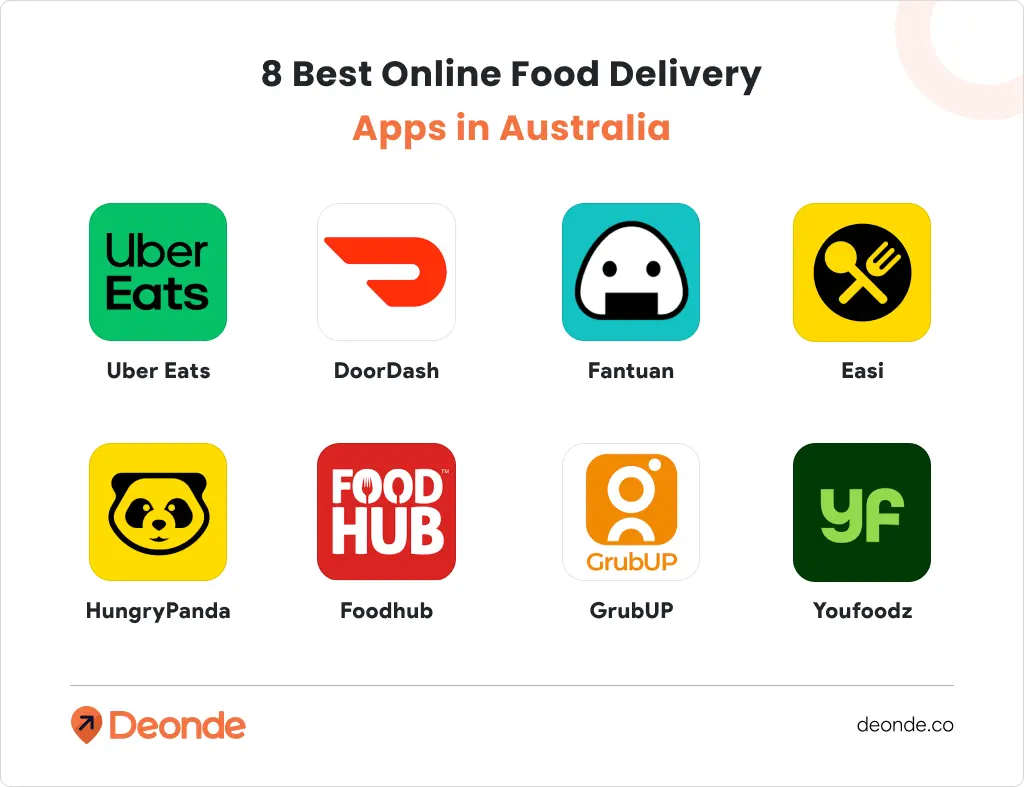
Two apps run at national scale: Uber Eats and DoorDash. Around them sit specialists: Fantuan, Easi and HungryPanda for Asian food, Foodhub for local takeaways, GrubUP for South Asian and Middle Eastern food, and Youfoodz for ready-made meal plans. Menulog, Deliveroo and Foodora no longer operate here.
We’ve grouped the apps by type rather than ranking them on taste: the national marketplaces first, then Asian-cuisine specialists, then local and niche services.
| # | App | Best for | Where it operates |
| 1 | Uber Eats | Widest choice, groceries, regional towns | 23 cities and regions |
| 2 | DoorDash | Restaurant and convenience delivery | 60+ cities |
| 3 | Fantuan | Chinese and pan-Asian food | Sydney, Melbourne, Brisbane, Adelaide, Hobart |
| 4 | Easi | Asian takeaway and groceries | 9 cities, including Perth and Canberra |
| 5 | HungryPanda | Asian restaurants, multilingual app | Sydney, Melbourne, Brisbane, Adelaide |
| 6 | Foodhub | Local takeaways | Depends on your postcode |
| 7 | GrubUP | South Asian and Middle Eastern food, long-distance delivery | Sydney, Canberra, Melbourne |
| 8 | Youfoodz | Chef-made meal plans | All capital cities plus regional areas |
8 Best Food Delivery Apps in Australia (2026)
These eight platforms are ranked by practical usefulness to Australian diners and restaurant operators — not by hype. Each entry covers what the app does best, its fees and membership, where it works, the cities it serves, and honest watch-outs.
1. Uber Eats
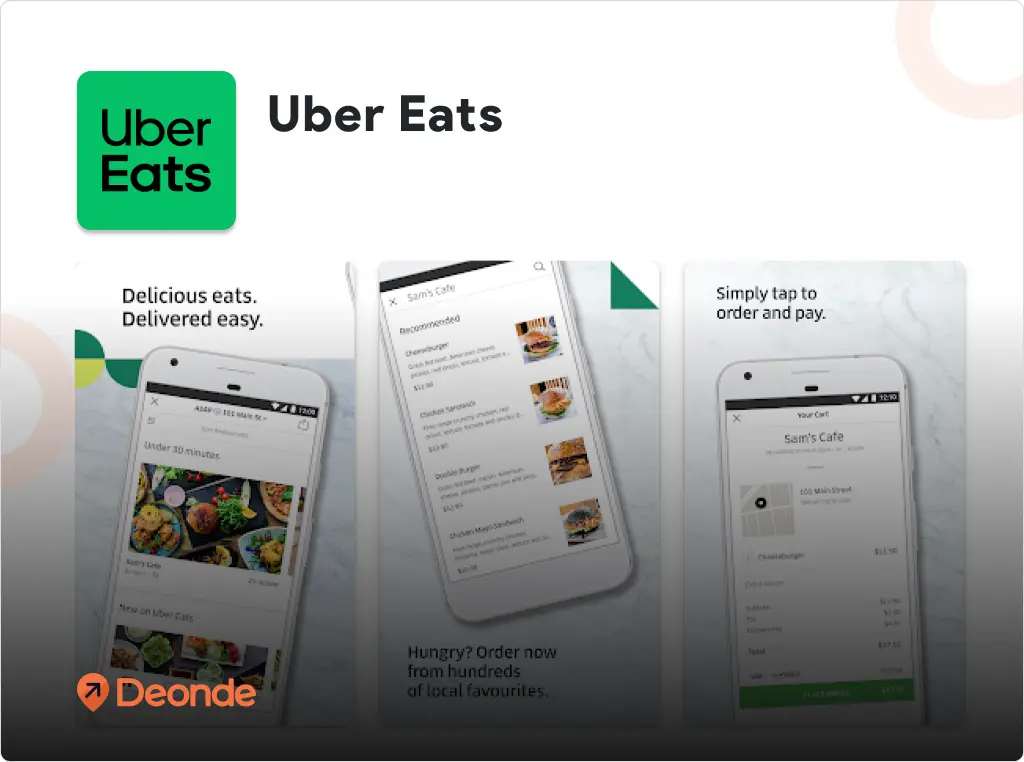
Uber Eats (also written UberEats) is the largest Online food delivery app in Australia by reach, and most traffic and share estimates put it ahead of DoorDash. It grew again in late 2025, when Menulog shut down and agreed to redirect its customers, restaurants and couriers to Uber Eats. It delivers groceries and convenience items as well as restaurant meals.
Cities served in Australia: Adelaide, Bendigo and Ballarat, Brisbane, Bunbury, Byron Bay, Cairns, Canberra, Darwin, Geelong, Gold Coast, Hobart, Launceston, Mackay, Melbourne, Newcastle, Perth, Rockhampton, Sunshine Coast, Sydney, Toowoomba, Townsville, Wagga Wagga and Wollongong.
Fees & Membership: Delivery fees vary by distance and demand. Uber One (~$9.99/month) gives free delivery on eligible orders over $25. Restaurants pay commission — a key reason many operators look at their own ordering channels.
Worth knowing: what you see first isn’t random. Ranking, dispatch, and delivery times follow set rules, which we unpack in our guide to the algorithm behind food delivery apps.
Want a marketplace like this under your own brand? Take a look at our Uber Eats clone script.
2. DoorDash
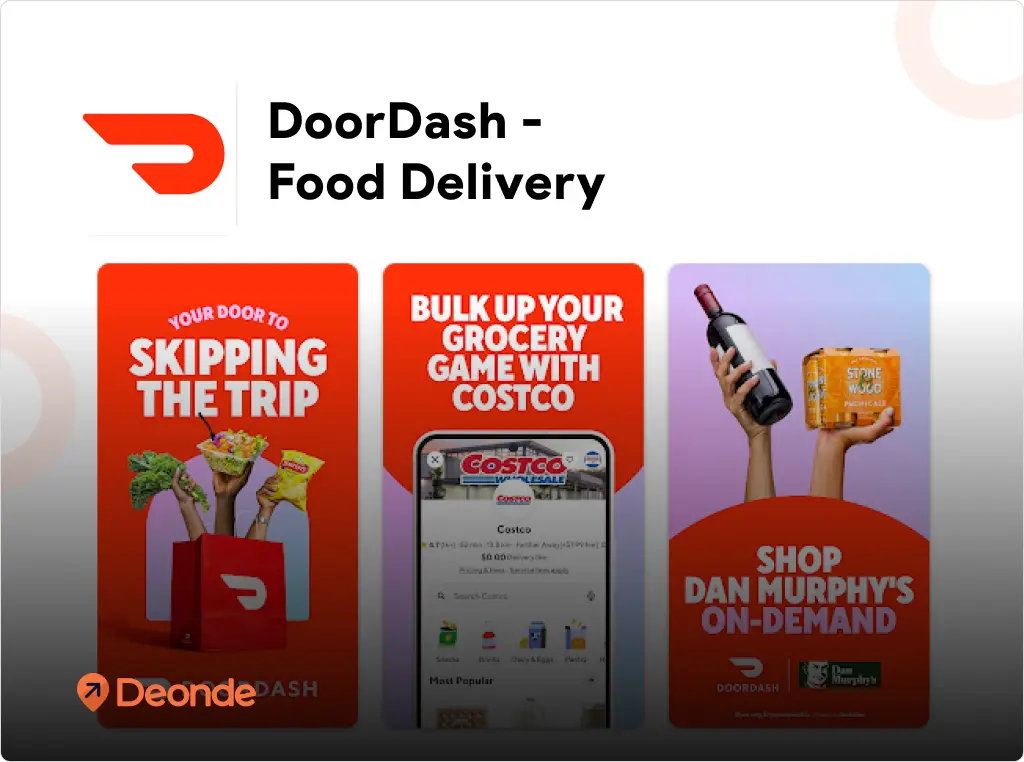
DoorDash launched in Melbourne in 2019, its first market outside North America, and is now the second national player. It calls itself Australia’s fastest-growing online food delivery app, with restaurants and convenience stores across 63 cities.
Cities served in Australia: Sydney, Melbourne, Brisbane, the Gold Coast, Adelaide, Perth, Cairns, and many regional centres. DoorDash keeps adding cities, so check your address in the app.
Fees & Membership: DashPass gives free delivery on eligible orders. Like Uber, DoorDash charges restaurant partners a commission.
Watch-outs: DoorDash holds exclusive deals with Woolworths, Aldi and Costco. Hungry Jack’s left DoorDash for Uber Eats in May 2026.
Planning a multi-vendor platform of your own? Our DoorDash clone solution gives you customer, driver, vendor and admin apps in one white-label package.
3. Fantuan
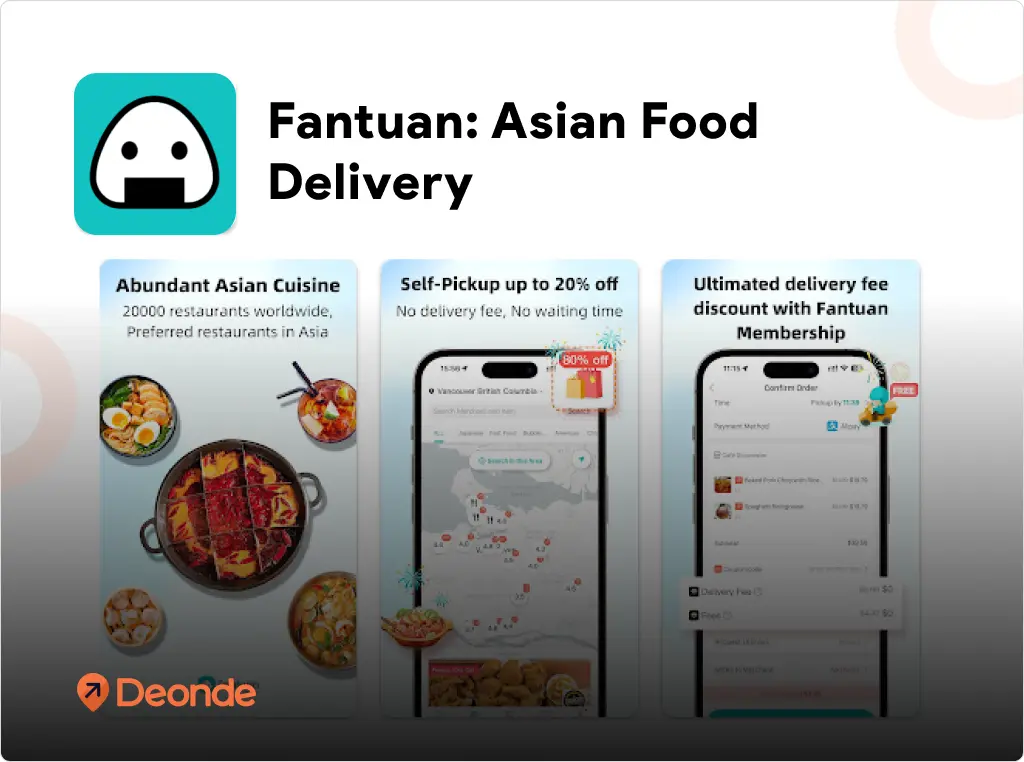
Fantuan is a Canadian app, founded in Burnaby, built around Chinese and wider Asian restaurants. It launched in Australia in March 2022, starting in Melbourne’s CBD and Box Hill and Sydney’s Eastwood. The app runs in English and Chinese.
Cities served in Australia: Adelaide, Brisbane, Hobart, Melbourne and Sydney.
Best for: Chinese and pan-Asian food, especially in suburbs with large Chinese communities such as Box Hill and Burwood.
Fees & Membership: Self-pickup often gets about 10% off with no delivery fee. Partner brands include Haidilao Hotpot, CoCo, and Sharetea.
Watch-outs: Smaller restaurant choice than the big two. Coverage inside each city is patchy — outer suburbs are often missing. Strongest for Asian cuisines; Western food choice is limited.
4. Easi
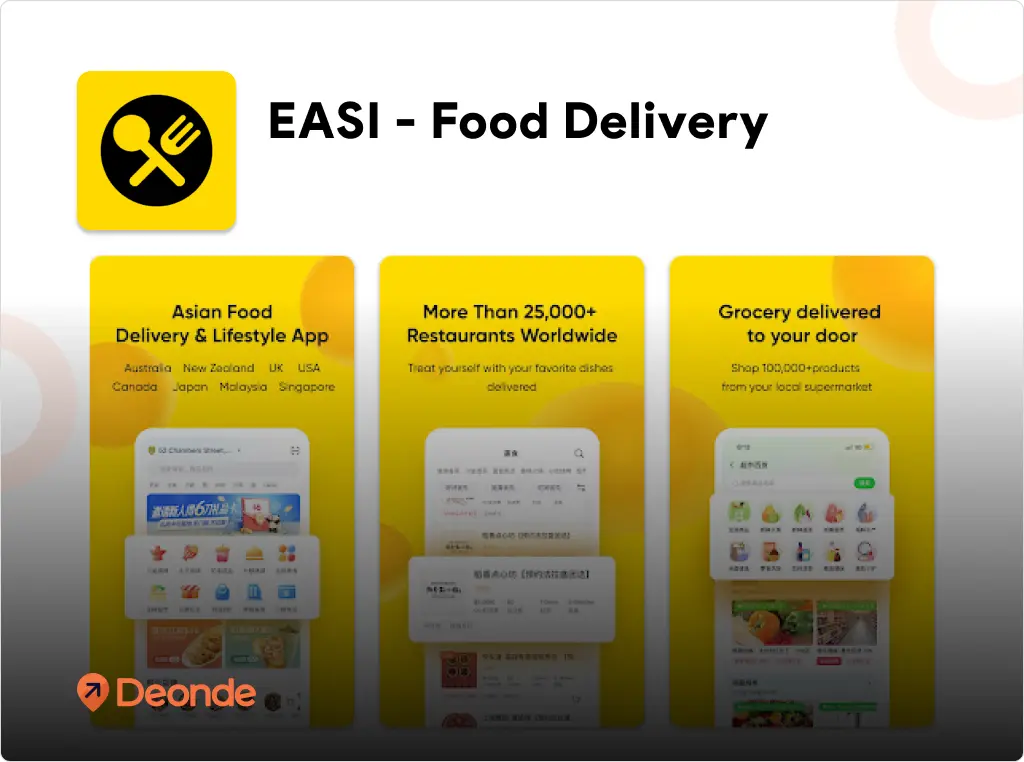
Easi started in Melbourne in 2014 as an Asian food and grocery delivery app. HungryPanda bought it in March 2022 for A$50 million, but Easi still runs as its own app.
Cities served in Australia: Melbourne, Sydney, Brisbane, Adelaide, Canberra, Perth, Hobart, Launceston and Wollongong.
Best for: Asian takeaway and groceries in more cities than most niche apps, including Perth, Canberra and Tasmania.
Where It Works: Founded in Melbourne in 2014. Acquired by HungryPanda in January 2022. In Adelaide and Perth, EASI merged into HungryPanda; in Melbourne and Sydney, both brands run.
5. HungryPanda
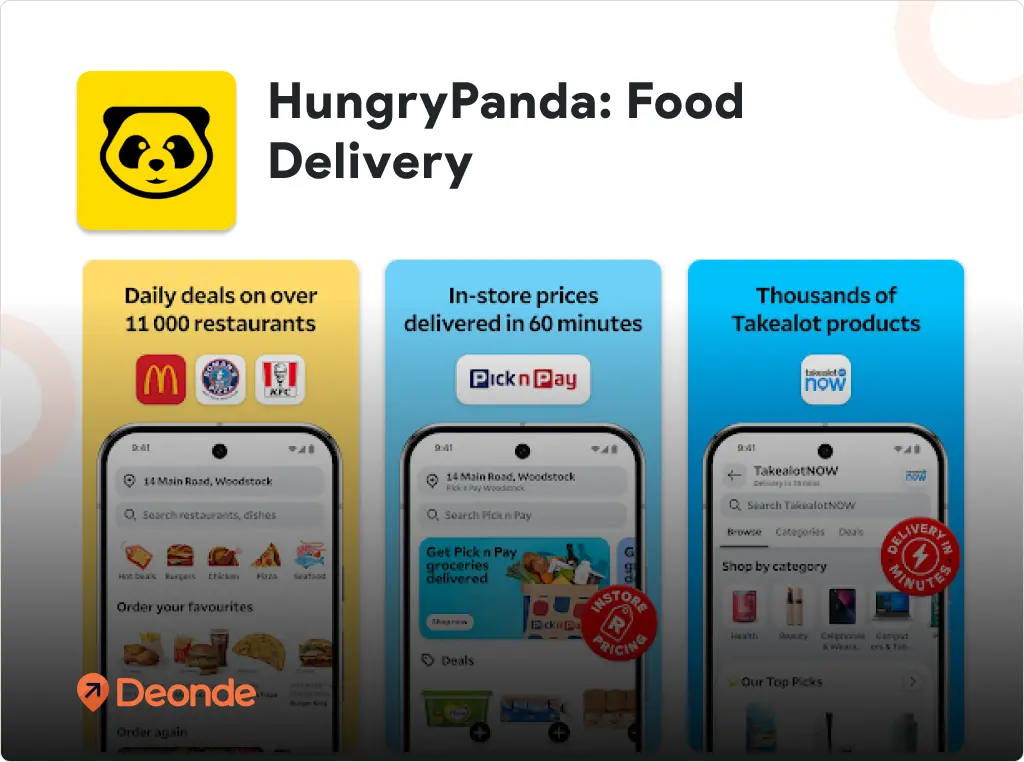
HungryPanda was founded by Chinese international student Kelu Liu, is headquartered in London, and says it now operates in more than ten countries.
In Australia, it lists thousands of Asian-owned restaurants and grocery stores in Sydney, Melbourne, Brisbane and Adelaide, with multilingual onboarding for restaurant owners.
Best for: authentic Chinese food, plus students and newly arrived migrants who prefer a Chinese-language app.
Worth knowing: it owns Easi (above). Asian restaurant owners who want a direct channel alongside these apps can look at online ordering for Chinese restaurants.
Where It Works: UK-founded (2017). After buying EASI, the group claimed 3.5 million customers, 60,000 merchants, and 40,000 drivers worldwide.
Founder’s Takeaway: HungryPanda proves niche demand is loyal. If your city has a strong community but no local platform, the same multi-store cart, zone-based fees and driver auto-assign features work for any niche you choose.
Watch-outs: Grocery ranges are Asian-specific. English-language support varies. Outside capitals, choice drops sharply.
6. Foodhub
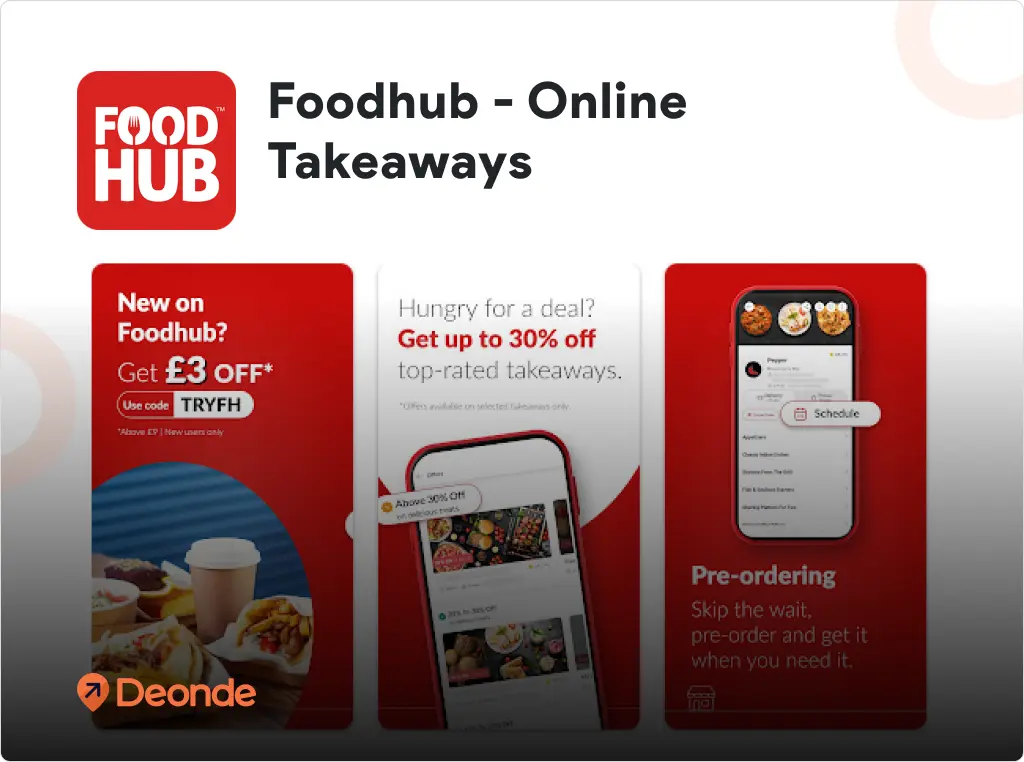
Foodhub is a UK-founded ordering platform that launched in Australia in 2019 and bought Australian ordering app Eat Appy in 2021.
It mixes a marketplace listing with branded websites, apps and delivery tools for takeaways, so what you see depends on which local shops have joined.
Coverage: varies by suburb. Enter your postcode on foodhub.com.au to see what’s available.
Best for: neighbourhood takeaways you’d otherwise phone or walk in to order from.
Where It Works: UK-origin platform. Launched in Australia in 2019. Claims 30,000+ restaurant partners globally and 63 million+ orders in 2025. Appointed as Australia/NZ managing director in June 2026.
Watch-outs: Smaller restaurant choice than the leaders. Delivery depends on each restaurant’s own drivers or local couriers. Read partner terms carefully; models vary.
7. GrubUP
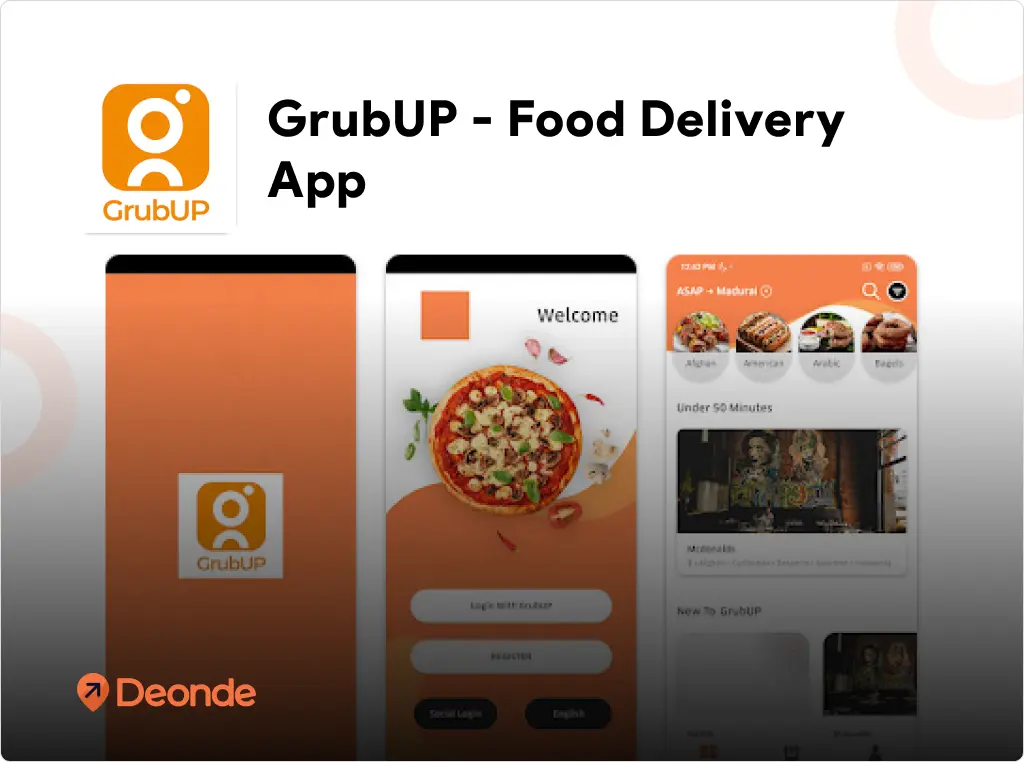
GrubUP is a Chatswood-based app for South Asian and Middle Eastern food. Its hook is distance: instead of the 5 km or so radius typical of marketplace apps, it says it will deliver from restaurants up to about 50 km away.
Fees & Membership: Promo code WELCOME offers $15 off first orders.
Cities served in Australia: Sydney, Canberra and Melbourne.
Best for: getting a favourite restaurant’s food when it’s on the other side of the city.
Worth knowing: it’s a small operator and app-store reviews are mixed, so check recent feedback for your area.
8. Youfoodz
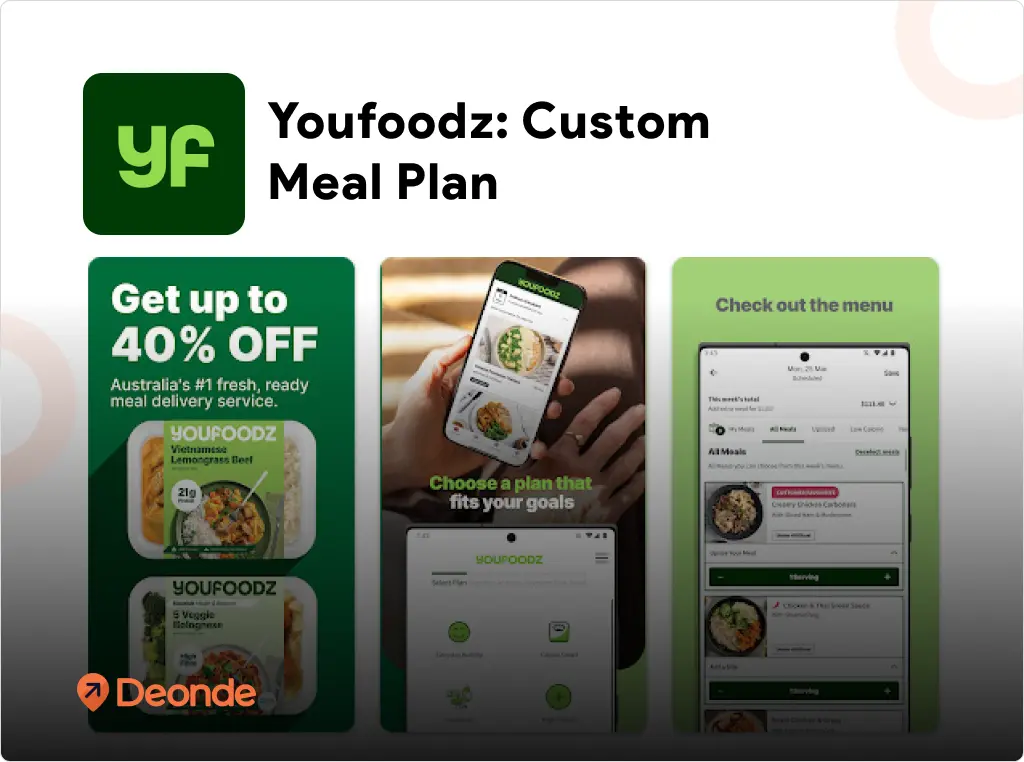
Youfoodz isn’t a takeaway app. It’s a ready-made meal subscription: chef-prepared meals are cooked, snap-frozen, and delivered in refrigerated vans on a weekly schedule you can skip, pause, or cancel.
It earns a place here because it shows how far delivery has moved beyond restaurant orders. Operators building the same model can explore subscription meal delivery software.
Where It Works: Delivers to thousands of postcodes across all states and territories. Also stocked in 800+ retailers including Coles, IGA, Foodworks and select BP/Ampol stores.
Where does Youfoodz deliver to?
Youfoodz delivers to every capital city and a long list of regional areas. Availability varies in regional areas, so use the postcode checker on the Youfoodz plans page for accurate options.
Delivery areas:
Adelaide, Albury, Armidale, Ballarat, Bendigo, Brisbane, Bunbury, Bundaberg, Cairns, Canberra, Central Coast, Central West NSW, Coffs Harbour, Darwin, Devonport, Gippsland, Gladstone, Gold Coast, Hervey Bay, Hobart, Launceston, Mackay, Melbourne, Mildura, Newcastle, North Coast NSW, Northern Rivers, Perth, Rockhampton, Shepparton, South Coast NSW, Southern Highlands, Sunshine Coast, Sydney, Toowoomba, Townsville, Tweed Heads, Wollongong.
Youfoodz delivery schedule and cut-off
Order by the cut-off to lock in your delivery day. You can change your delivery day any time in Account Settings.
| State | Delivery day | Order by |
| NSW, VIC, ACT and QLD | Saturday or Sunday | Tuesday, 11:59 PM |
| NSW, VIC, ACT and QLD | Monday or Wednesday | Thursday, 11:59 PM |
| NSW, VIC, ACT and QLD | Thursday or Friday | Friday, 11:59 PM |
| South Australia | Saturday or Sunday | Tuesday, 11:29 PM |
| South Australia | Thursday | Friday, 11:29 PM |
| Western Australia | Tuesday | Wednesday, 9:59 PM |
| Western Australia | Thursday | Friday, 9:59 PM |
| Tasmania | Tuesday or Wednesday | Thursday, 11:59 PM |
| Tasmania | Friday | Friday, 11:59 PM |
| Northern Territory | Thursday | Friday, 9:59 PM |
Cut-offs are the times Youfoodz publishes and can change, so confirm them in your account.
Australia Food & Multi-Delivery Market Statistics (2026–2034)
The Australian online food and grocery delivery market is growing fast — and the post-Menulog gap makes it more interesting for operators than at any time in the last decade.
- Online food delivery reached USD $12.2 billion in 2025, projected to cross USD $21.1 billion by 2034
- Online grocery and multi-delivery is growing from USD $17.22 billion to USD $21.91 billion in 2026 alone, over 25% in one year.
- Over 35–40% of Tier-2 and regional towns Geelong, Gold Coast suburbs, Newcastle, Wollongong, Darwin plus local grocery and pharmacy vendors still lack an affordable unified multi-delivery platform.
- The “Menulog Vacuum”: Menulog’s exit left thousands of restaurants and millions of users seeking a third alternative to the duopoly.
New Minimum Pay Rules (17 August 2026)
Australia’s gig delivery workers got their first legally enforceable minimum pay rates on 17 August 2026. The Fair Work Commission set an earnings floor based on “engaged time” — from accepting an order to completing it.
- $31.30/hour — pedal bikes, e-bikes, e-scooters
- $31.50/hour — motorcycles and combustion scooters
- $32.00/hour — cars and vans up to 1 tonne
Platforms must calculate earnings over a period of up to 21 days; if a worker falls below the floor, they get a top-up. The order also requires a Gig Worker Information Statement, a “reasonable minimum” of accident insurance, and the right to unpaid time away.
What it means for new operators
If you plan to engage delivery workers through your own app, work out which rules apply before you launch.
Drivers you employ directly fall under different rules, so take advice from the Fair Work Ombudsman or an employment adviser.
Either way, clean records of deliveries and payouts help: Deonde’s driver app logs deliveries and earnings, and its driver payment settlement tools handle payouts. This section is general information, not legal advice.
Apps That No Longer Work in Australia
Three major platforms have exited Australia: Foodora (2018), Deliveroo (2022) and Menulog (2025). Any blog still recommending them is out of date.
- Foodora — exited in 2018 after restructuring by parent Delivery Hero.
- Deliveroo — ceased Australian operations in mid-November 2022, citing “purely economic grounds”
- Menulog — stopped trading on 26 November 2025, ending a 20-year run. Parent Just Eat Takeaway reported Australian losses of $275M (2022), $110M (2023), and $32M (2024) before exiting
If you still see an old Menulog app or promo page, it can’t take orders. Several well-known overseas apps, including Grubhub and Postmates, have never served Australia, so ignore listings that suggest otherwise.
The lesson: scale alone didn’t save Menulog. Losing money on every order, forever, is not a business model.
Why 2026 Is the Best Time to Launch Your Own Delivery App in Australia
Three exits in eight years, a duopoly with ~95% share, and new rules raising the bar — that combination has never happened before. For founders and restaurant chains, 2026 is the clearest window to own your delivery channel instead of renting one.
- The Menulog vacuum is real: Thousands of restaurants and millions of customers lost a platform and a habit. They’ll try something new, especially if it’s local or faster.
- Regional Australia is underserved: Uber Eats entered 67 new regional towns in 2025, but many Tier-2 areas still lack a unified platform.
- Technology costs dropped: Building from scratch once meant 12 months and $100k+ AUD. Today you can build your own food delivery app and launch in 3–7 days.
- New rider pay rules favour organised operators: Platforms that plan for the $31.30+/hour floor will outcompete those caught off guard.
Want to increase delivery volume without hiring more drivers? The answer is smarter dispatch and zone pricing — not a bigger payroll.
What changed: Foodora 2018, Deliveroo 2022, Menulog 2025
2018: Foodora exits. The first big international retreat showed that winning Australian customers was expensive even for a global brand.
2022: Deliveroo leaves. In November 2022 Deliveroo withdrew, saying it could not reach a sustainable, profitable scale in Australia. About 120 jobs were affected.
2025: Menulog closes. Founded in Sydney in 2006 and bought by Just Eat in 2015, Menulog once worked with more than 30,000 restaurant partners across Australia and New Zealand.
It stopped taking orders on 26 November 2025, affecting about 120 employees. Its parent cited challenging circumstances, and industry coverage pointed to US rivals spending heavily on customer acquisition, loyalty programs and courier incentives.
Australia’s Food Delivery Market After Deliveroo & Menulog
As of 19 October 2026, Australia has two dominant marketplaces, a set of niche apps and, for the first time, a legally enforceable pay floor for delivery workers.
When Menulog closed, it pointed its customers, restaurants and couriers to Uber Eats. One competition academic quoted by AAP warned that in a duopoly, prices tend to rise over time.
What to watch next:
- 1 January 2027: the minimum delivery pay rates rise by $0.50 an hour.
- More pay orders: the Fair Work Commission is still considering other applications covering last-mile delivery workers and road transport contractors.
- Fees: with fewer competitors, delivery and service fees are worth watching.
- Regional growth: DoorDash now lists 63 cities, and Uber Eats expanded into more regional locations in 2025.
Planning to Build a Multi Food Delivery App in Australia?
Whether you’re an entrepreneur serving a regional Australian town that the big players overlook, an operator combining food and grocery delivery, or a growing hospitality group launching your own ordering channel, you don’t have to choose between a giant marketplace and a six-figure custom build.
Deonde gives you a customer app, driver app, partner app, and admin panel under your own brand, plus a branded ordering website.
Selling food, groceries, and more from one app? Our on-demand delivery software covers multiple categories. Multi-outlet brands can start with our food delivery software, and founders building a full marketplace can use our multi-restaurant delivery system.
Many successful operators don’t pick just one side. They stay visible on a marketplace for discovery, then build their own branded channel to capture repeat orders and control their margins.
If your plan is neighbourhood-first, whether that’s one suburb, a regional town, or a niche cuisine marketplace, our hyperlocal delivery software lets you run zone-based delivery, vendor commissions, and automated dispatch under your own name.