A restaurant marketing calendar transforms scattered promotional efforts into a strategic roadmap that drives consistent customer traffic and revenue growth. Think of it as a GPS for your restaurant promotions, guiding you to the right opportunities at the right time.
This comprehensive planning tool helps restaurant owners, marketing managers, and hospitality professionals organize campaigns, track seasonal opportunities, and maximize their marketing budget throughout the year.
Without a structured approach, restaurants often miss key promotional windows, waste resources on last-minute campaigns, or struggle to maintain consistent brand messaging across multiple channels.
A well-crafted marketing calendar solves these challenges by providing clear direction and measurable goals.
This guide covers the essential components every restaurant marketing calendar needs, including seasonal promotions, social media content, and local event tie-ins.
You’ll also discover monthly marketing activities that consistently drive results, from loyalty program launches to community partnerships.
Finally, we’ll explore weekly execution strategies that help you stay organized while adapting to real-time opportunities and challenges in your local market.
What is a Restaurant Marketing Calendar?
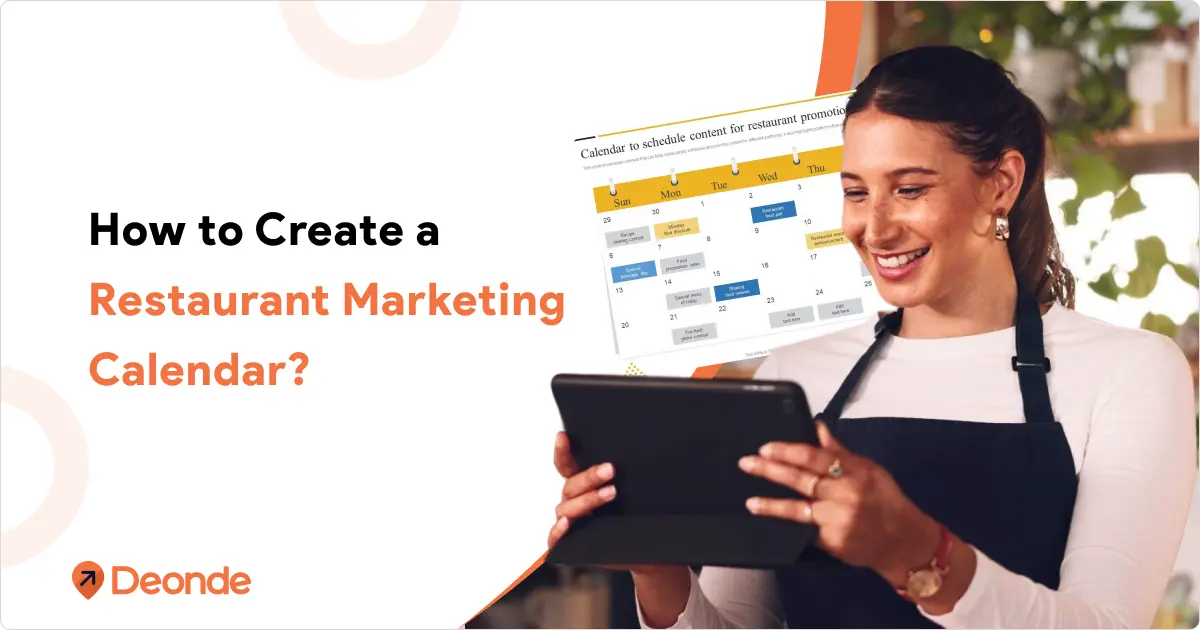
A Restaurant Marketing Calendar is a strategic, organized plan that maps out all marketing and promotional activities for a restaurant over a specific period, typically a quarter or a full year. It’s a visual and tactical roadmap that aligns your marketing efforts with key dates, seasons, holidays, and business goals.
Think of it as combining a calendar and a to-do list specifically designed to drive customer traffic, boost sales, and build your brand.
Why is it So Important?
Without a calendar, restaurant marketing is reactive, scattered, and often ineffective. Restaurants with a structured marketing calendar can see up to 20% more customer engagement. A well-built calendar provides:
- Organization & Efficiency: No more last-minute scrambling. You plan photos, write captions, and schedule ads weeks or months in advance.
- Strategic Alignment: Ensures your marketing supports broader business goals (e.g., increasing weekday dinner sales, promoting catering, or launching a new menu).
- Consistency: Regular posting and engagement are key to staying top-of-mind with customers. A calendar ensures you never miss an opportunity.
- Budget Management: Allows you to plan and allocate your marketing budget effectively, knowing where and when you’ll spend money (e.g., on Facebook ads for Valentine’s Day).
- Team Coordination: Everyone (owner, manager, social media person, kitchen staff) knows what’s happening and when, ensuring smooth execution of promotions.
Essential Components of Your Marketing Calendar
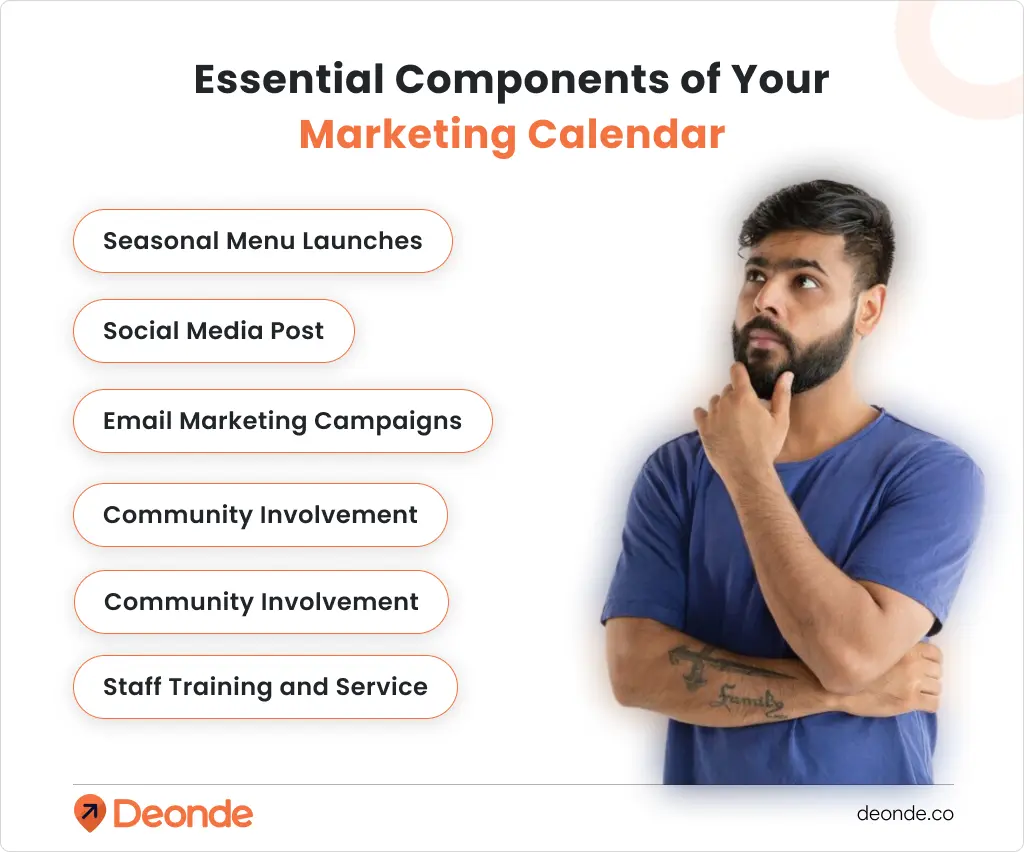
Seasonal Menu Launches and Limited-Time Offers
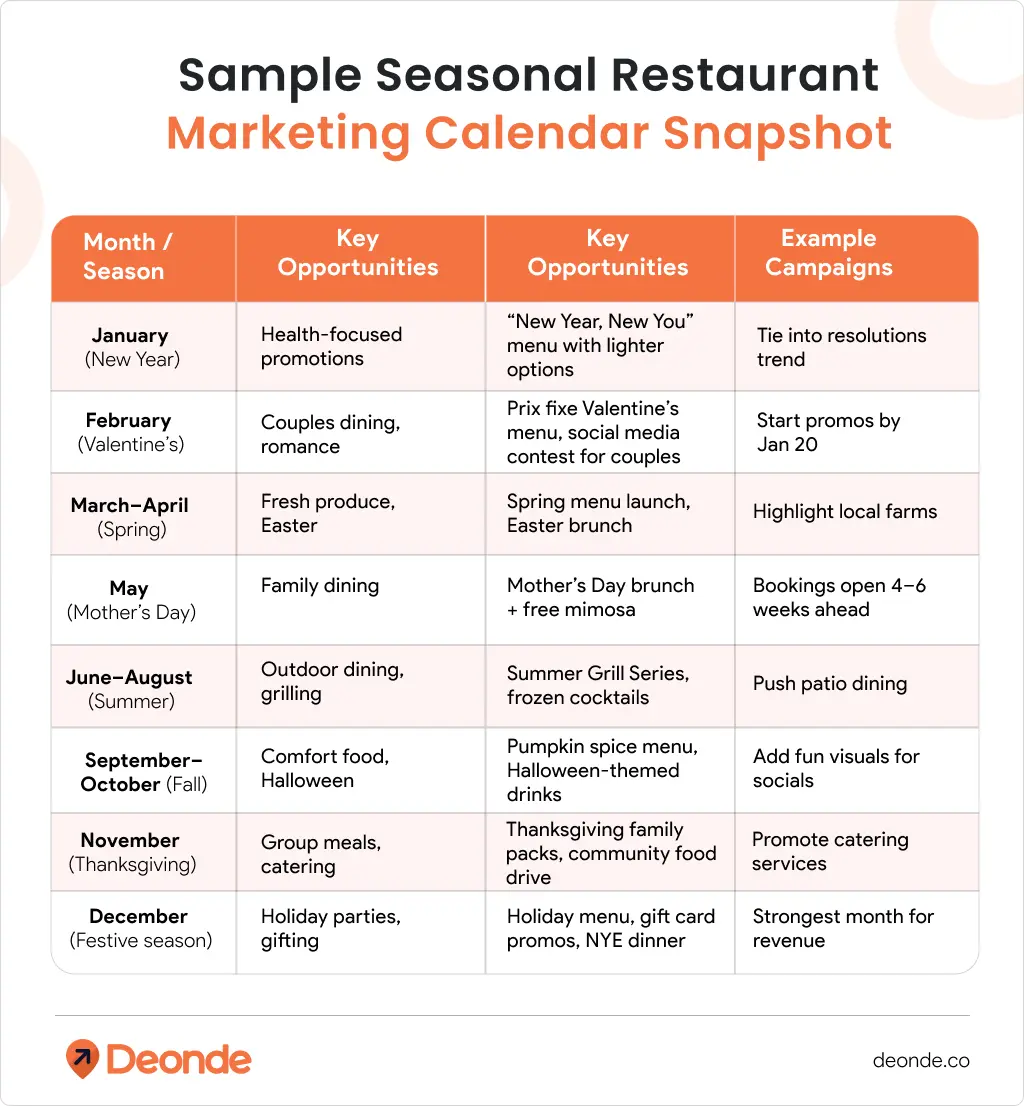
Building your calendar around seasonal menu changes creates natural excitement. Plan your spring menu launch for March, summer specials for June, fall offerings in September, and winter comfort foods in December. Each launch should include a two-week marketing buildup with teaser posts.
Limited-time offers work best when tied to specific dates or events. Mark these opportunities at least three months in advance, allowing time to develop recipes, train staff, and create marketing materials. Your calendar should also include end dates for these promotions to create genuine urgency.
Examples:
- Valentine’s Day (February): A special prix fixe menu for two, including a shared appetizer, two entrées, and a dessert.
- Mother’s Day (May): A brunch buffet with a complimentary mimosa for every mom.
- Summer (June-August): A “Summer Grill Series” featuring a new grilled steak or fish special every Friday night.
- Fall (September-November): A “Pumpkin Spice Everything” special, from pumpkin soup to a limited-time pumpkin dessert.
Also Read: Christmas Marketing Ideas for Restaurants
Quick Tips for Using This Calendar
- Always start promoting 2–4 weeks before major holidays.
- Include a mix of dine-in, takeout, and online offers.
- Add local festivals or events that are unique to your city.
- Use consistent hashtags (#ValentinesDinner, #SummerDining) to boost reach.
Social Media Content Themes and Schedules
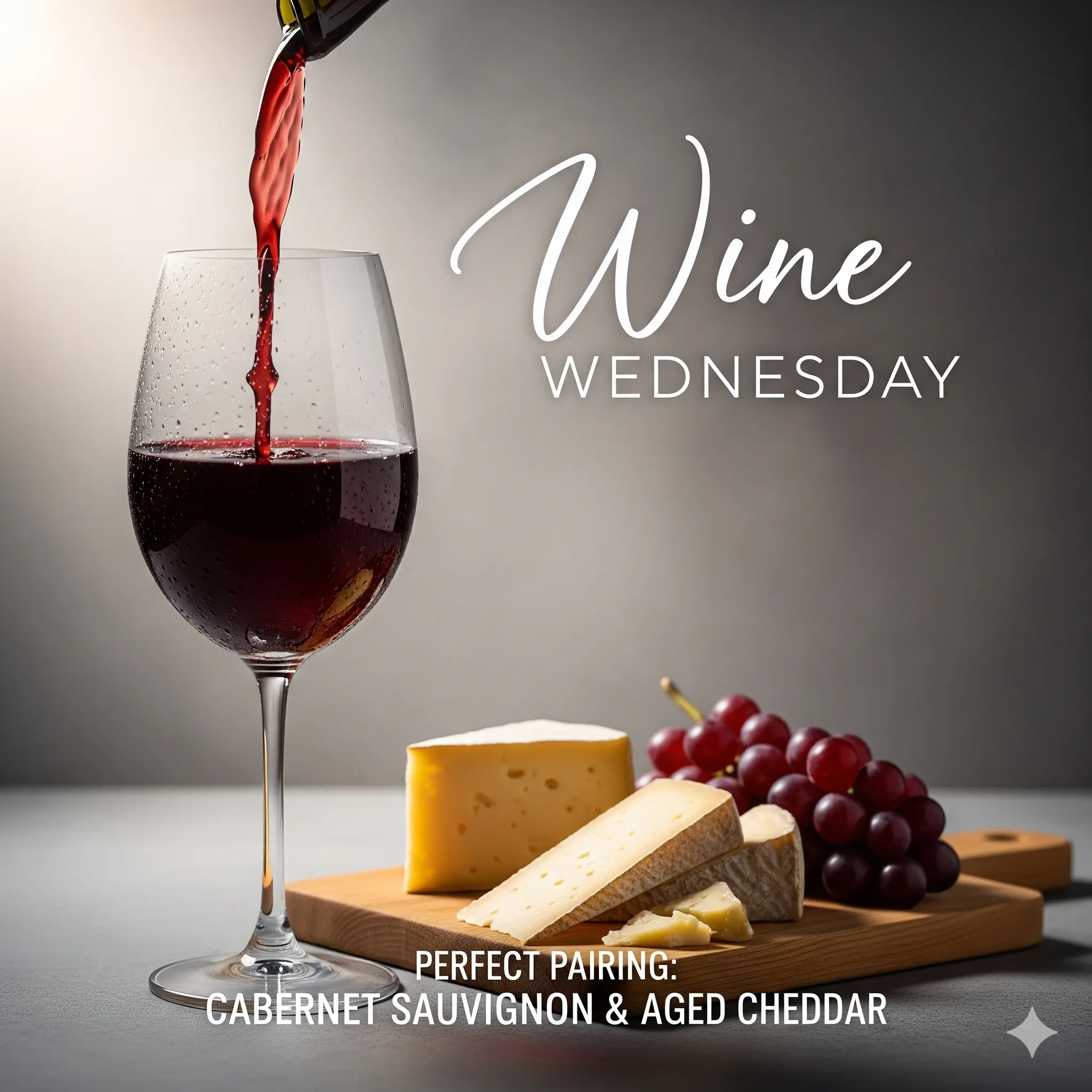
Brandwatch can help ensure brand Consistency and variety are vital for social media success. Establish weekly themes like “Monday Motivation” featuring breakfast items or “Wine Wednesday” highlighting beverage pairings. This framework simplifies content creation and gives followers something to anticipate.
Your posting schedule should align with when your audience is most active—typically during lunch (11 AM-1 PM) and dinner (5-7 PM). Create content pillars that represent different aspects of your business:
|
Content Pillar |
Percentage of Posts |
|
Food glamour shots |
40% |
|
Behind-the-scenes content |
25% |
|
Customer features |
15% |
|
Staff spotlights |
10% |
|
Community involvement |
10% |
Email Marketing Campaigns and Customer Retention Programs
Email marketing delivers an average ROI of $36 for every $1 spent, making it a powerful tool for restaurants. Your email calendar should balance promotional messages with value-added content. Send weekly newsletters featuring upcoming events, new menu items, and exclusive offers. Monthly campaigns can spotlight seasonal changes, chef interviews, or local partnerships.
Birthday and anniversary campaigns are powerful retention tools. Set up automated sequences that send personalized offers based on customer data. A “Happy Birthday” email with a free dessert offer typically sees 25-30% higher open rates than standard promotional emails.
Examples:
- Monthly Newsletter: A newsletter with a chef interview, new menu item announcements, and a link to make reservations.
- Birthday Campaign: An automated email sent on a customer’s birthday offering a free dessert or appetizer on their next visit.
- VIP Program: An email inviting your top 50 loyal customers to a private, exclusive wine tasting event.
- Win-Back Campaign: After 60 days of no visits, an automated email titled “We Miss You!” with a 15% off coupon to encourage a return visit.
Community Involvement and Local Partnerships
Community involvement builds lasting relationships and generates authentic marketing opportunities. Research local festivals, charity events, and seasonal celebrations at the beginning of each year. Many events require vendor applications months in advance, so early planning prevents missed opportunities.
Partner with local businesses for cross-promotional opportunities. Collaborate with nearby boutiques for shopping-and-dining packages, work with fitness studios for healthy menu promotions, or team up with entertainment venues for dinner-and-show deals.
Examples:
- Local Music Festival: A food truck setup or a special festival-themed menu item for people to grab before or after the event.
- Farmers Market: A weekend special featuring a “Local Harvest” dish made with ingredients from a nearby farm you are partnered with.
- Neighborhood Partnership: A “Shop & Dine” promotion with a nearby boutique where customers get a 10% discount at the restaurant if they show a receipt from the boutique.
Staff Training and Service Enhancement Initiatives
Well-trained staff are your best marketing asset. Schedule monthly training sessions covering new menu items, wine pairings, and service techniques. When launching seasonal menus, dedicate extra training time so servers can confidently describe ingredients and preparation methods to make it easier to align everyone’s availability, you can rely on scheduling tools like WhenAvailable, When2meet to coordinate sessions efficiently.
Examples:
- New Menu Launch Training: A dedicated pre-shift meeting to have the kitchen staff explain new menu items and teach servers how to describe them to customers.
- Quarterly Mystery Shopper: Schedule a professional “mystery shopper” to dine at your restaurant and provide feedback on the service quality.
- Team Building: A quarterly team outing, such as a staff cooking competition or a group volunteer day at a local charity.
Planning Your Annual Marketing Framework
Identify Peak and Slow Seasons
Every restaurant has a natural rhythm. Start by analyzing your sales data from the past two years to identify months with consistent spikes or dips. For example, an outdoor dining spot might see a summer boom, while a comfort food restaurant might thrive in colder months.
Once you’ve mapped these periods, create targeted strategies. During peak times, focus on maximizing average check size. During slow seasons, use tactics like customer retention programs, special pricing, or community events to draw people in.
Map Out Major Holidays and Local Events
Holiday planning is a revenue goldmine. Start with major holidays like Valentine’s Day and Mother’s Day, but don’t forget local events like festivals, sporting events, or annual parades. These local celebrations often bring hungry crowds looking for a place to eat before or after.
Build key planning deadlines into your calendar. For example, Valentine’s Day promotions should start in early January, and Mother’s Day reservations should open months in advance.
Schedule Quarterly Menu Updates and Chef Specials
Menu evolution keeps customers interested and coming back. Quarterly updates allow you to highlight seasonal ingredients and respond to changing trends. Plan your menu changes around ingredient availability and costs.
Chef specials also deserve their own calendar treatment. Weekly or monthly features keep regulars engaged and provide excellent social media content. Consider a partnership with local farms; it not only saves costs but also provides a great marketing story.
Monthly Marketing Activities That Drive Results

- Themed Promotions: Align your promotions with holidays, seasons, and cultural moments. This could be an elegant prix fixe menu for anniversaries or a “March Madness” bracket challenge for a casual burger joint. The key is to match the promotion to your brand identity.
- Customer Appreciation Days: Plan these events around slower business periods to boost revenue. A Tuesday customer appreciation night or a mid-month loyalty member exclusive can drive traffic when you need it most.
- Influencer Partnerships: Identify local food bloggers and Instagram personalities whose audiences align with your target customers. Reach out 4-6 weeks in advance and offer them a genuine experience, like a behind-the-scenes kitchen tour.
- Renovation Announcements: If you have planned closures, communicate them at least two weeks in advance. Turn renovation periods into marketing opportunities by sharing progress updates and offering special reopening promotions.
Weekly Execution Strategies for Maximum Impact
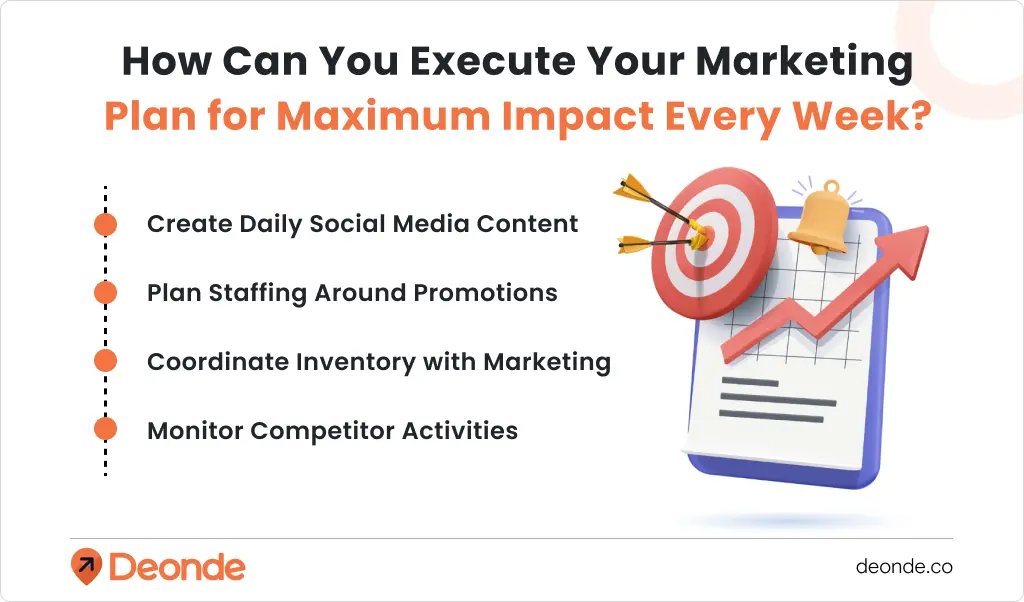
Create Daily Social Media Content Batches
Consistency trumps perfection. Set aside time during slower periods to photograph dishes, capture behind-the-scenes moments, and write captions for the upcoming week. This ensures you always have quality visuals ready.
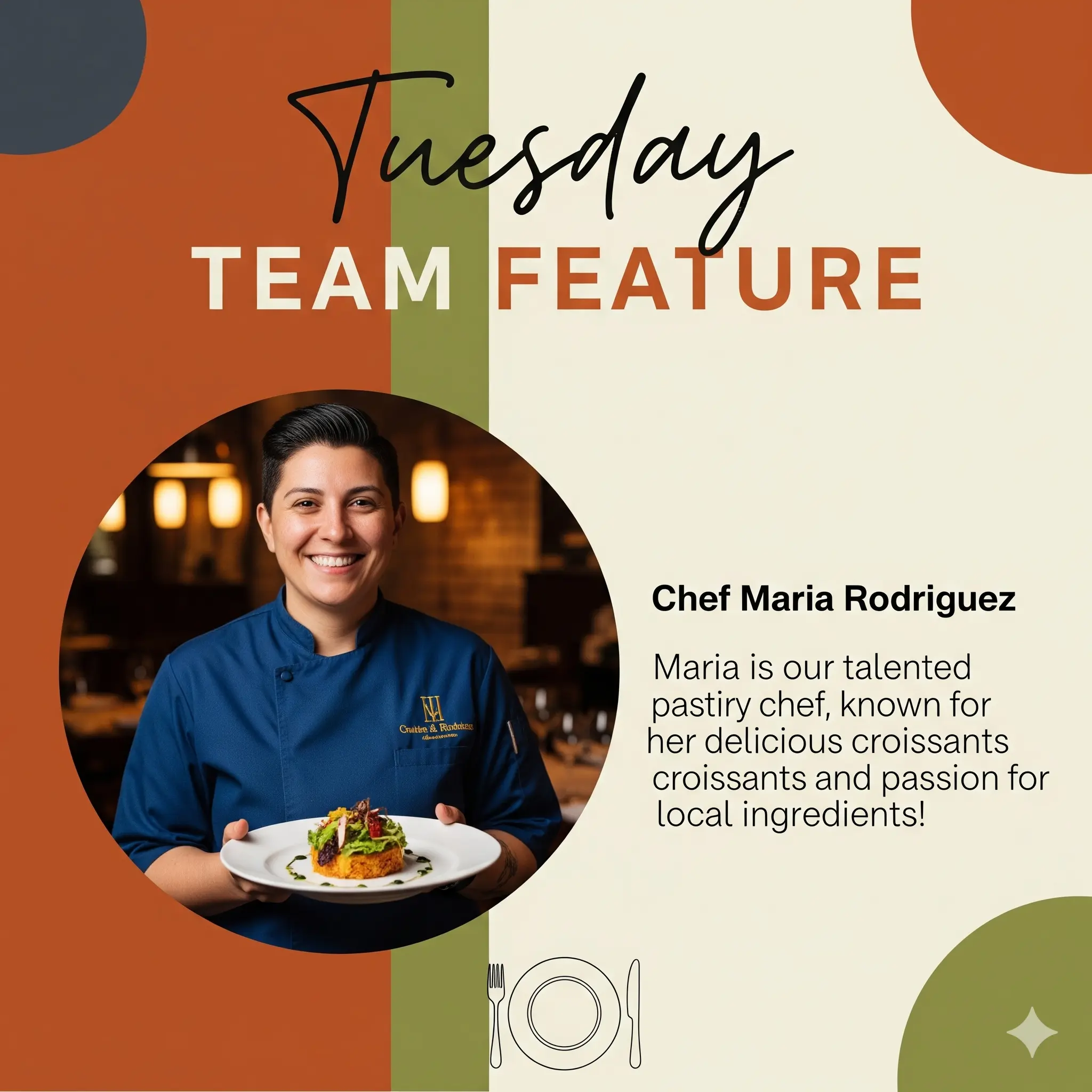
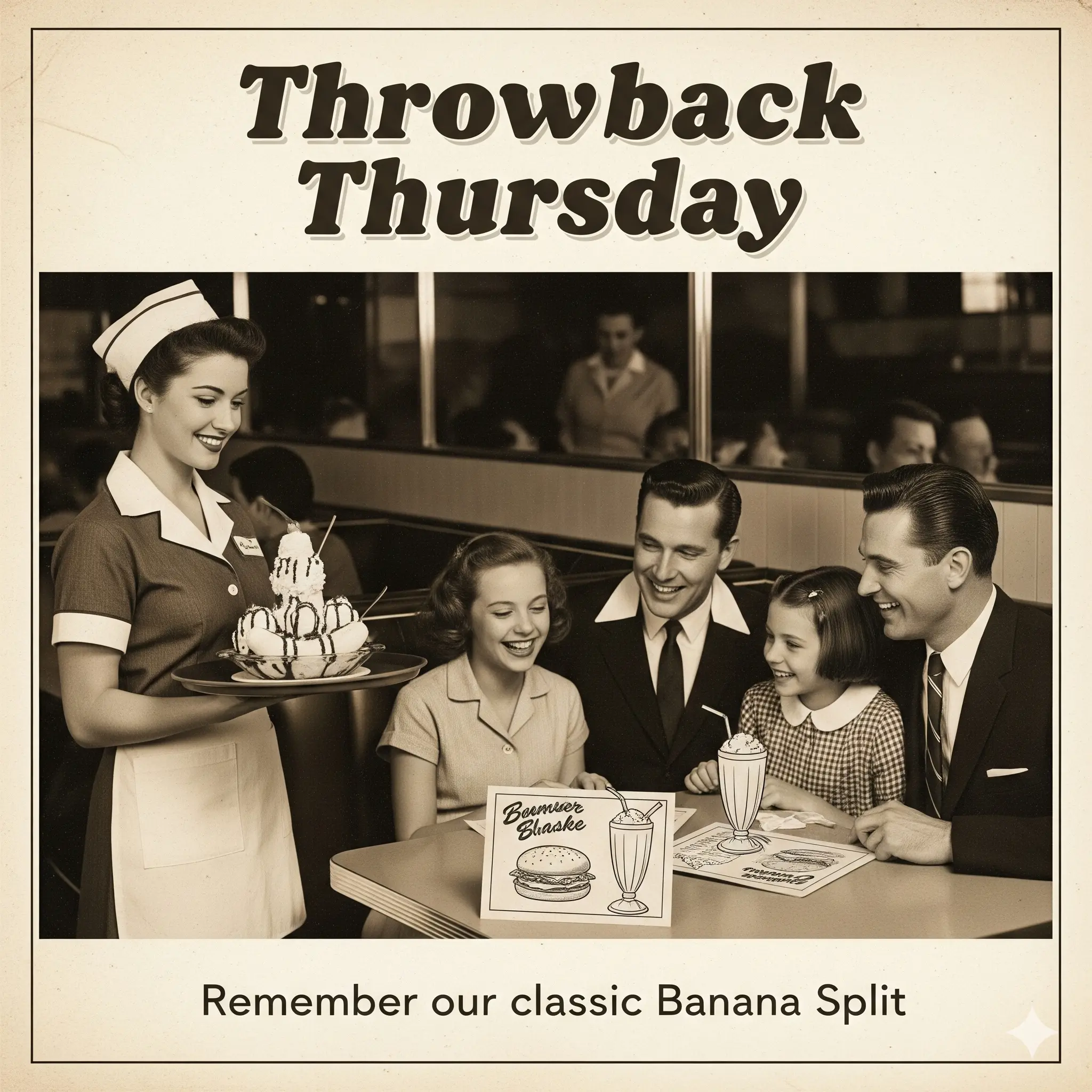
Consider creating content themes for each day: “Monday Motivation,” “Tuesday Team Features,” etc. This structure makes content creation predictable while giving customers something to anticipate.
Here are some ideas for your weekly social media content
 .
.  .
.  .
. 
 .
.  .
. 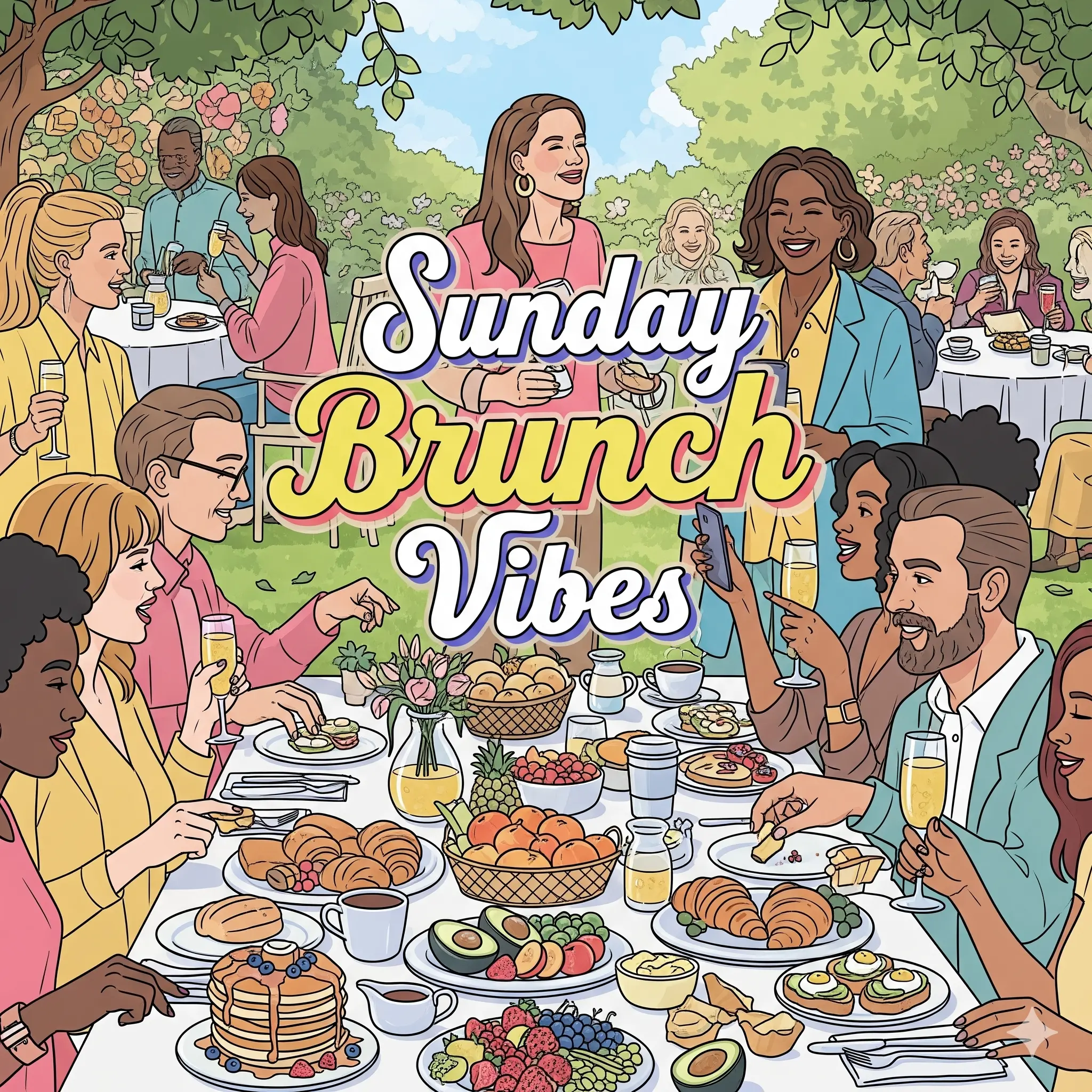
Image Generated by Gemini Nano Banana
Plan Staffing Around Promotions
Your promotions can fail without proper staff support. When planning a wine tasting or a holiday dinner, review your marketing calendar and schedule your most experienced servers and adequate kitchen support. Cross-training team members can also save your event during unexpected rushes.
Coordinate Inventory with Marketing
Nothing kills a campaign faster than running out of a promoted item. Your weekly planning should always connect promotions with purchasing decisions and prep schedules. Build a buffer stock for promoted items; extra inventory costs less than lost sales and frustrated customers.
Monitor Competitor Activities
Your competition isn’t standing still. Weekly monitoring keeps you informed about their pricing changes and new promotions. Assign a team member to check their social media and websites. This intelligence helps you time your own marketing activities for maximum effectiveness and allows you to react strategically rather than emotionally.
Conclusion
Planning your restaurant’s marketing calendar isn’t just about staying organized; it’s about creating a roadmap that turns busy seasons into profit powerhouses and slow periods into opportunities for growth.
When you map out your promotional activities, seasonal campaigns, and community events ahead of time, you’re setting yourself up to capture every chance to connect with customers and boost your bottom line.
The difference between restaurants that thrive and those that struggle often comes down to preparation.
Start building your marketing calendar today by choosing the tools that work best for your team, blocking out major holidays and local events, and scheduling regular check-ins to adjust your strategy.
Your future self will thank you when you’re confidently executing campaigns instead of scrambling to figure out what to post next week.