Key Takeaways
-
Zero Massive Upfront Costs: Skip the $15,000+ custom development fees. SaaS lets you launch a professional online ordering system for a low monthly subscription.
-
Keep 100% of Your Profits: Stop paying 20-30% commissions to third-party delivery aggregators on every single order.
-
Incredible Speed to Market: Get your website and mobile apps live in 24 to 48 hours, not 4 to 8 months.
-
Zero Technical Headaches: Hosting, security, updates, and bug fixes are completely handled by the provider so you can focus on the food.
-
Built to Scale: Whether you are a single-location bakery or expanding to multiple cloud kitchens, SaaS platforms grow seamlessly with your business.
You run a restaurant, a cafe, or a grocery store. A customer asks, “Can I order online?”
Your options? Spend $15,000-$30,000 building a custom app and website. Or pay 20-30% commission to DoorDash, Uber Eats, or Deliveroo forever.
There’s a third option most food business owners don’t know about: SaaS.
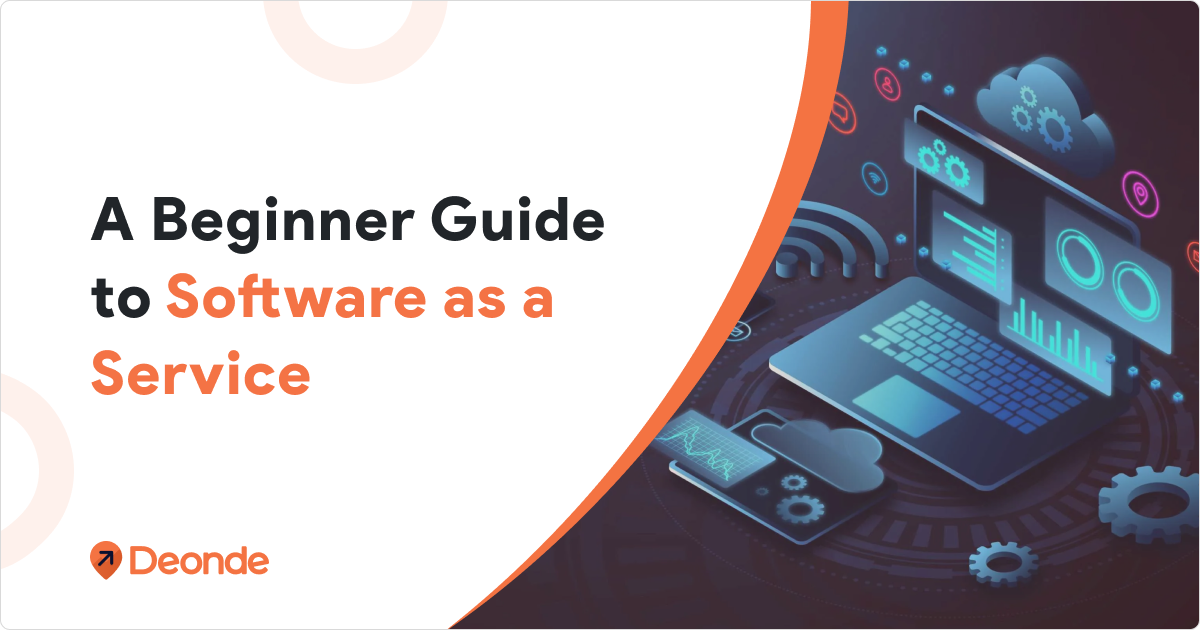
Software as a Service lets you get a professional online ordering system—website, mobile app, payment gateway, everything—for a small monthly subscription. No massive upfront investment. No technical headaches. Just pay monthly and start selling online.
Let me show you exactly how this works and why it’s changing the game for independent food businesses.
What is SaaS? (In Language That Makes Sense for Restaurant Owners)
Think of SaaS like renting a fully-equipped kitchen instead of building one. You get everything you need – online ordering, mobile apps, payment processing, inventory management – for a monthly fee that’s less than what you spend on vegetables.
Imagine you want to start online ordering for your restaurant.
Old way (Traditional Software):
- Pay $20,000-$50,000 to a developer to build your app and website
- Wait 4-8 months for development
- Hire someone to maintain it ($2,000-$4,000/month)
- Pay separately for hosting, updates, bug fixes
- If something breaks, you’re hunting down developers at midnight
SaaS way (Like Deonde):
- Pay $99-$299/month subscription
- Get a ready-made ordering system in 24-48 hours
- Website + Mobile app + Admin panel included
- Automatic updates, maintenance, and support included
- Cancel anytime if it doesn’t work
That’s SaaS. You’re renting a complete solution instead of building and owning it.
Think of it like this: You don’t buy the building to open a restaurant—you lease it. Same logic. Why spend tens of thousands building software when you can rent it for a couple hundred bucks a month?
How SaaS Works for Your Food Business (The Real Picture)
Let’s say you run “Brooklyn Bagels & Coffee” in New York.
Here’s what happens when you use a SaaS platform like Deonde:
Day 1: You sign up, add your business details, upload your menu with photos and prices.
Day 2: You get:
- A website: brooklynbagels.deonde.com (or your own domain)
- Android & iOS apps with your branding
- Admin dashboard to manage orders
- Payment gateway integration (Stripe, Square, PayPal)
Day 3: You share the link with customers. They start ordering.
Every day after:
- Orders come directly to you (not through DoorDash)
- You keep 100% of the profit (no 25-30% commission)
- Customers pay online or cash on delivery
- You manage everything from your phone or tablet
Magic? You didn’t hire a developer. You didn’t buy servers. You didn’t learn coding. You just subscribed and started.
Software as a service Features
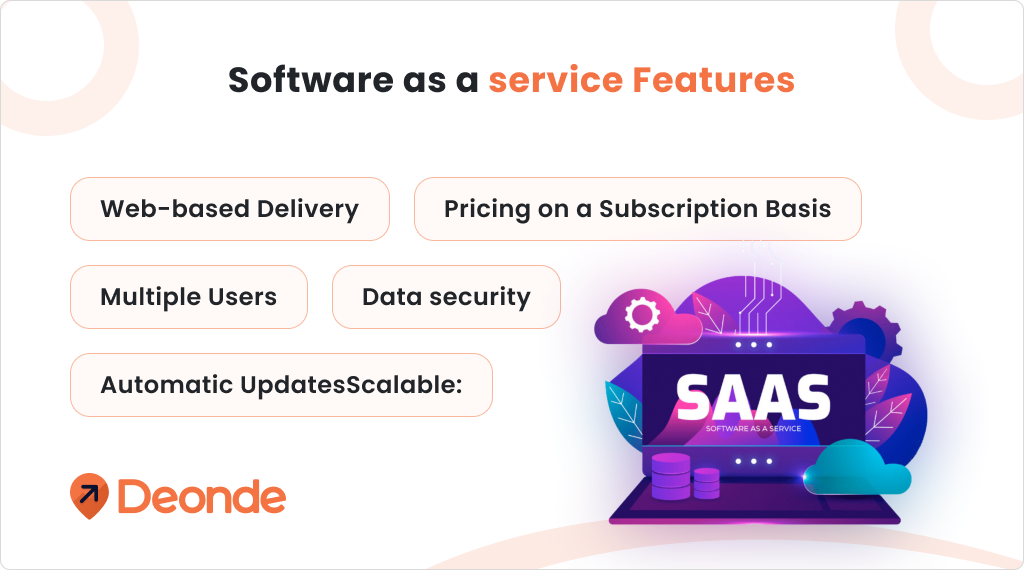
- Web-based Delivery: SaaS apps can be accessed from anywhere with an internet connection because they are supplied over the internet, often through a web browser. Users no longer need to install and maintain software programs on their local machines as a result
- Multiple Users: SaaS applications from a single instance of the program thanks to the concept of multi-tenancy. As a result, the provider can serve several clients with the same application without administering unique program instances for every client.
- Automatic Updates: SaaS providers are in charge of keeping the software up to date and making sure that everyone has access to the newest features and security patches. Users are no longer required to manually install updates or fixes as a result.
- Scalable: SaaS systems are scalable, which can readily grow or shrink in response to user demand. This frees up enterprises from worrying about infrastructure or licensing fees and lets them add or remove users as needed.
- Pricing on a Subscription Basis: SaaS programs are frequently sold using a subscription-based pricing model, in which customers pay a monthly or yearly price to access the program. As a result, companies won’t need to invest significantly in software licenses upfront.
- Data security, including data encryption, access restrictions, and backups, is the responsibility of SaaS providers. Users no longer need to handle their own data security because of this.
SaaS services can typically be availed through a subscription, but they are also offered upfront with a standard rate.
What You Actually Get with Food Business SaaS
Let’s be specific. Here’s what platforms like Deonde typically include:
Customer-Facing:
- Mobile apps (Android + iOS) with your logo and branding
- Responsive website for online ordering
- Menu with high-res photos, descriptions, prices
- Shopping cart, checkout, multiple payment options
- Real-time order tracking (“Your burger is out for delivery”)
- Customer reviews and ratings system
For You (Admin Dashboard):
- Order management interface
- Accept/reject orders with one tap
- Mark items out of stock instantly
- Update prices in real-time
- Detailed sales analytics and reports
- Customer database with order history
- Delivery driver assignment and tracking
Payment & Delivery:
- Multiple payment gateways (Stripe, Square, PayPal, Apple Pay, Google Pay)
- Automatic payment reconciliation
- Delivery zone settings
- Dynamic delivery fee calculator
- Integration with third-party delivery services
- Cash on delivery option
Marketing Tools:
- Promotional discount codes
- Loyalty rewards program
- Push notifications to app users
- Email marketing integration
- SMS order confirmations
- Automated abandoned cart recovery
All of this. One subscription. No hidden charges.
Why Food Businesses Are Moving to SaaS Solutions
Immediate Revenue Impact
Your competitor down the street just added online ordering. They’re getting 30% more orders while you’re losing customers who want convenience. SaaS platforms let you catch up in days, not months.
Zero Technical Knowledge Required
You don’t need to understand APIs, databases, or server management. SaaS providers handle all the technical stuff. You just upload your menu, set prices, and start taking orders.
Mobile-First Design
80% of food orders now come from mobile phones. SaaS platforms are built mobile-first, ensuring your customers get a smooth experience whether they’re ordering from their phone, tablet, or computer.
Built-in Payment Solutions
No need to set up separate payment gateways. Most SaaS platforms include UPI, card payments, and cash-on-delivery options. Money goes directly to your bank account.
SaaS Pricing Models That Work for Food Businesses
Subscription-Based Pricing
Most common for food businesses. You pay monthly based on features you need.
Typical pricing:
- Basic plan: $49/month (small cafes, single location)
- Professional: $99/month (restaurants, multiple locations)
- Enterprise: $199 /month (chains, advanced features)
Commission-Based Pricing
Some platforms charge a percentage of each order instead of monthly fees.
Pros: No upfront costs, you pay only when you earn Cons: Can get expensive as your business grows
Hybrid Models
Combination of low monthly fee plus small commission per order.
Best for: Growing businesses that want predictable costs with performance-based scaling
How to Choose the Right SaaS Platform for Your Food Business
For Restaurants & Cafes:
- Online menu with photos and descriptions
- Table booking system
- Kitchen display system (KDS)
- Multiple payment options
- Order scheduling (for advance orders)
- Customer reviews and ratings
For Grocery Stores:
- Category-wise product listing
- Inventory tracking
- Delivery slot management
- Bulk order handling
- Supplier integration
- Barcode scanning
For Cloud Kitchens:
- Multi-platform integration (Doordash, Grubhub)
- Order aggregation dashboard
- Delivery partner management
- Menu synchronization
- Performance analytics
- Cost tracking per platform
Conclusion: The Future of Your Food Business is Rented, Not Built
The restaurant and food retail industries are tough enough without having to worry about managing servers, writing code, or giving away a massive chunk of your hard-earned revenue to third-party delivery apps.
Software as a Service levels the playing field. It gives independent cafes, busy cloud kitchens, and local grocery stores access to the exact same enterprise-grade technology that the big chains use, but for a fraction of the cost. By shifting from a “build and own” mindset to a “subscribe and scale” model, you take back control of your customer data, your profit margins, and your brand.
Read more about the benefits of SaaS by clicking here.
The Real Questions Food Business Owners Ask
Why is SaaS popular?
SaaS is popular due to its cost-effectiveness, easy implementation, automatic updates, scalability, and accessibility from anywhere with an internet connection.
Why is SaaS needed?
It gives businesses access to advanced software without big upfront costs or maintenance headaches.
What If My Internet Goes Down?
You can still take phone orders and enter them manually later. Most SaaS platforms have offline mode for basic POS functions.
Can I Customize The Design And Layout?
Most SaaS offers basic customization (logo, colors, banner images, fonts). Deep customization usually requires premium plans or enterprise tier.
Will My Customers’ Payment Data Be Safe?
Reputable SaaS platforms are PCI-DSS compliant with bank-level encryption. Check for SSL certificates and security certifications.
Can I Integrate With My Existing Pos System?
Many SaaS platforms offer integrations with popular POS systems like Square, Toast, Lightspeed. Ask specifically about your POS brand.
What If I Want To Stop Using It?
Most operate on month-to-month subscriptions. Cancel anytime. Just ensure you export your customer database first.
Do I Need Technical Skills To Manage It?
No. These platforms are built for restaurant owners, not developers. If you can use Facebook, you can manage this.