Every great food business starts with a simple love for cooking
Maybe it’s the way your kitchen fills with the smell of spices, or how your friends always ask for seconds when you cook.
You’ve probably heard someone say, “You should really start selling this!” And deep down, you’ve thought about the idea of sharing your homemade meals with more people.
In 2026, that dream is easier than ever. People everywhere are looking for fresh, healthy, and honest food made at home, not something packed in a factory.
They want meals made with love, care, and real ingredients just like yours.
And you don’t need a fancy restaurant or a big budget to make it happen. With platforms like Deonde, you can create your own food ordering and delivery app, take online orders, and connect directly with hungry customers around you.
So if you’ve ever wished to turn your cooking into a real business, now is the perfect time.
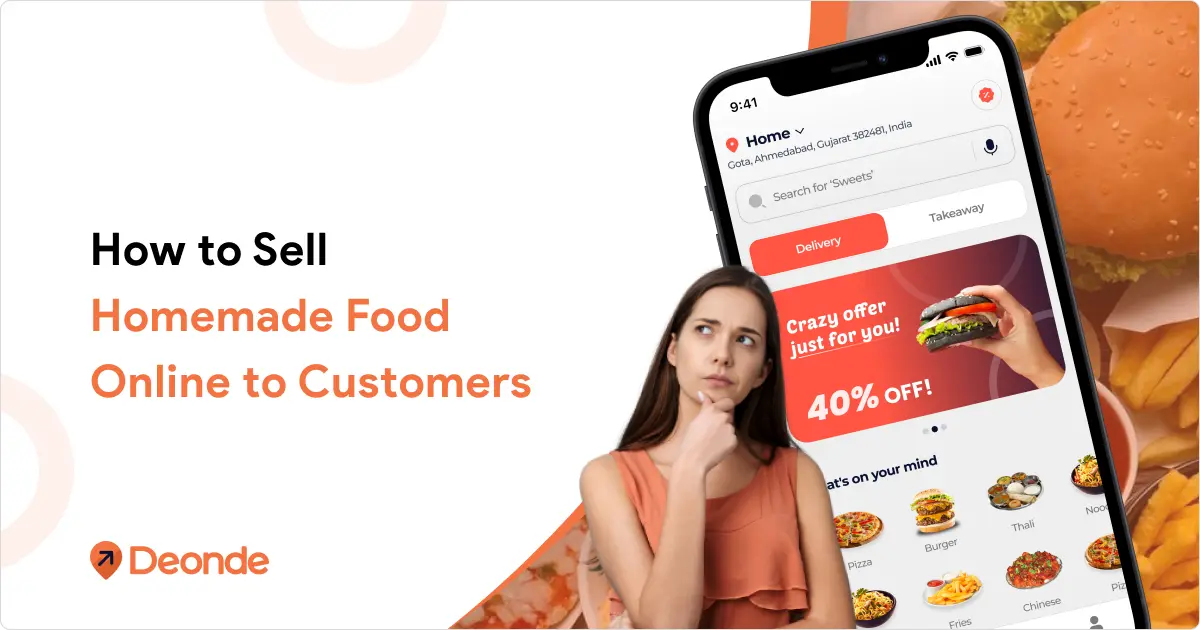
Let’s take the first step together and learn how to sell homemade food online to customers in 2026.
Why Should You Start an Online Homemade Food Business?
The online food industry is expanding faster than ever. What once was a luxury has now become a daily habit.
In 2023, over 1.6 billion people around the world ordered food online. By 2027, that number is expected to reach 2.5 billion users, nearly one in every three internet users globally.
That’s a massive customer base waiting to discover new, local food brands, and that’s where homemade food businesses fit in perfectly.
The global cloud kitchen market is also on a rapid rise. Valued at $80.35 billion in 2025, it’s projected to jump to $141.08 billion by 2030. This shows how strongly food delivery and online kitchen businesses are shaping the future of dining.
But here’s the real opportunity: the market for ethnic and authentic food is expected to nearly double, reaching $98.45 billion by 2034.
Customers are no longer chasing fancy restaurants. They want regional, authentic, and heartfelt meals, the kind that only a home chef can make.
Despite this growing demand, much of the homemade food industry remains unorganized.
Many talented cooks still rely on WhatsApp orders or social media DMs instead of a proper online platform. This gap means there’s a huge untapped opportunity for home-based food entrepreneurs who go digital now.
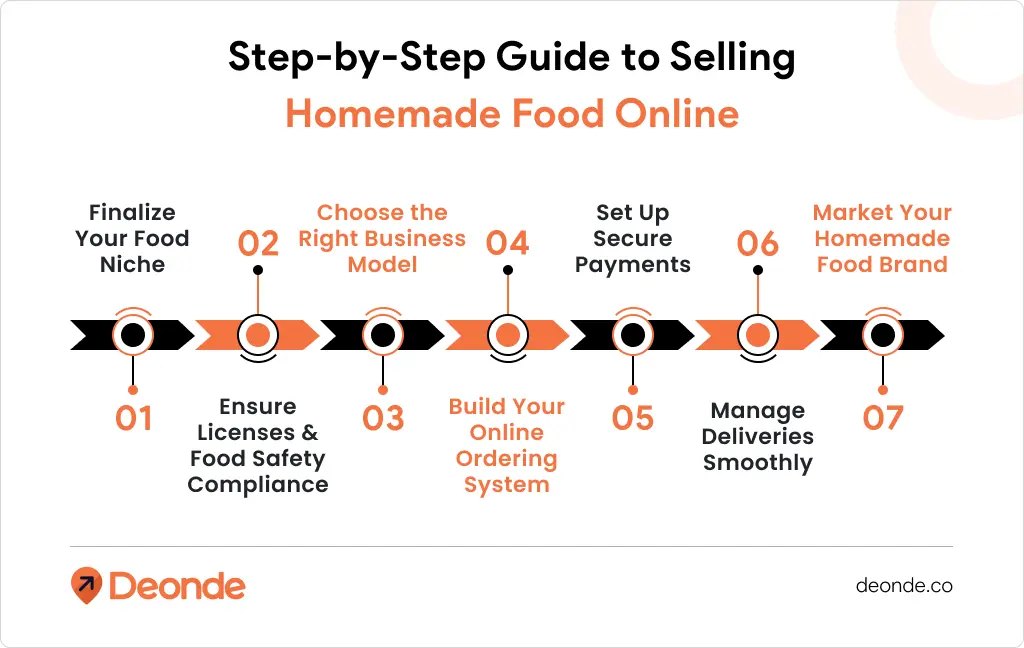
Step-by-Step Guide to Sell Homemade Food Online
Ready to turn your cooking skills into cash? Follow these simple steps to launch your online homemade food business.
1. Finalize Your Food Niche
Before you start cooking, you need a plan. A special food niche helps you stand out and attract the right customers. Don’t try to cook everything for everyone. Instead, become known for something special.
Ask yourself:
- What do you love to cook? Your passion will make your food taste better. Are you great at baking, an expert in a specific cuisine, or amazing with healthy salads?
- What is your best dish? Think about what your friends and family always ask for. That’s a great place to start.
- Who is your target audience? Are you selling to busy professionals who need healthy lunches? Or families who want easy weekend dinners?
- What’s missing in your local area? Look online to see what others are selling. If everyone is selling pizza, maybe there’s a need for authentic tacos or gourmet desserts.
You can also get inspiration from the Top 10 Home Cooked Food Delivery Apps to see what’s popular.
2. Ensure Licenses & Food Safety Compliance
This is the most important step to building a legal and trustworthy business. The rules for selling food from home are different everywhere, so you must research your local laws. This is often called Cottage Food Law.
Look for information on:
- Home-Based Business Permits: Check with your local health department to see what kind of food license you need to operate from home.
- Business Registration: You will probably need to register your business name to operate legally.
- Food Handler’s Certificate: Many places require you to pass a course on food safety to learn about hygiene and proper food handling.
- Kitchen Inspection: Your local authorities might need to inspect your kitchen to make sure it meets safety standards.
Always search online for “[Your City/Country] rules for selling homemade food” to get the correct information. Keeping your food safe and legal is key to your success.
3. Choose the Right Business Model
Your business model is how you’ll cook and sell your food. Here are a few popular options:
- Tiffin & Subscription Service: This model turns your kitchen into a home-cooked food delivery service where customers subscribe to get meals delivered regularly. This is great for creating a steady income and reducing food waste.
- On-Demand Homemade Meal Delivery: This works like a restaurant. Customers order from your menu, and you cook and deliver the food right away. This offers more choice for customers.
- Pre-order & Pickup System: This is a very low-risk way to start. You announce a special menu for a specific day and take orders in advance. You only cook what’s been ordered, so there’s no waste.
- Home Bakery or Cloud Kitchen Model: A home bakery focuses only on baked goods like cakes, bread, and pastries. A cloud kitchen model is a delivery-only business where your home kitchen is the central hub.
4. Build Your Online Ordering System
In 2026, taking orders through phone calls or DMs is not enough. You need a professional online ordering system. This is your digital shop. A platform like Deonde can provide everything you need to get started easily.
A good system lets you:
- Launch your branded customer app and website: Look professional and make it easy for customers to see your menu and order.
- Manage orders, menus, and payments in one place: A dashboard helps you see new orders, update your menu, and track everything in real-time.
- Sell through multiple channels: Let customers order from your website, mobile app, or by scanning a QR code.
- Get tools to market your business: See data on your popular dishes and use built-in tools to send promotions to customers.
With modern tools, you can set this all up in just a few days, with no coding skills needed.
5. Set Up Secure Payments
Fewer people are using cash. To look professional and make things easy for customers, you need to offer secure online payments.
- Offer Multiple Options: Let customers pay with credit cards, debit cards, and popular digital wallets (like Stripe, PayPal, etc.).
- Focus on Security: Use a trusted payment system to protect your customers’ private information.
- Be Transparent: Show all costs, including taxes and delivery fees, before the customer pays. No one likes surprise charges.
6. Manage Deliveries Smoothly
Getting your food to customers while it’s still fresh and hot is essential. Here are your delivery options:
- Self-Delivery: When you first start your food business, you can deliver the food yourself in your local area. This gives you full control.
- Hire a Rider: As you get more orders, you can hire your own delivery person.
- Use a Third-Party Service: You can partner with delivery companies like Uber Eats or DoorDash. They handle the delivery for you, but they take a percentage of each order.
- Good Packaging Matters: Use high-quality, insulated, and spill-proof food packaging. The package is part of your brand and keeps your food perfect.
7. Market Your Homemade Food Brand
Great food needs great marketing. Here’s how to market your food brand and find customers:
- Use Social Media: Post delicious photos and videos of your food on Instagram and Facebook. Share your story and talk with your followers to build a community.
- Offer Smart Discounts: Create a referral program that rewards customers for bringing in their friends. Start a loyalty program to thank your best customers with freebies or deals.
- Use Your Platform’s Tools: Send push notifications to announce daily specials. Create and share discount coupons or run SMS campaigns to encourage repeat orders.
How to Start a Meal Kit Delivery Business?
Why Homemade Food Businesses Are Booming in 2026
The popularity of home kitchen businesses is not just a temporary trend. It’s a major shift in how we eat. Several big reasons are making this the perfect time for home chefs to succeed.
- Health & Hygiene Awareness: People now care more than ever about what they eat. They want clean food without the chemicals and preservatives found in many mass-produced meals. A homemade food business offers trust. Customers love knowing their food was made in a clean kitchen by someone who cares about quality.
- Personalized Dining: Boring, standard menus are out. Today’s customers want unique and authentic food. They want to taste a secret family recipe, enjoy a freshly baked loaf of bread, or find meals for special diets like vegan or gluten-free. As a home chef, you can offer these special flavors that big restaurants can’t.
- Digital Trust: Technology has built a bridge of trust between you and your customers. Online platforms show real reviews and photos from other buyers. Features like live delivery tracking also give customers peace of mind, as they know exactly when their meal will arrive. This creates confidence in your online food business.
- Ease of Online Ordering: Starting an online store is no longer complicated. Platforms like Deonde make it incredibly simple to launch your own website and app to sell directly to local customers. You don’t need to be a tech expert to start selling like a pro.
The Future of Homemade Food Delivery in 2026
The world of homemade food is growing fast. Here are some trends that will shape the future.
Trends Driving Growth, Sustainability & Localism
People want to support businesses that care about the planet and their community. You can appeal to these customers by:
- Using local ingredients and telling customers about it.
- Choosing eco-friendly packaging that can be recycled.
- Reducing food waste by using a pre-order model.
How AI and Automation Will Shape Homemade Food Apps
Technology like Artificial Intelligence (AI) will help home businesses work smarter.
- AI can recommend dishes to customers based on what they ordered before.
- It can help predict how much food you’ll need to prepare, reducing waste.
- It can find the fastest delivery routes for your drivers.
Why Now Is the Best Time to Go Digital
If you’ve ever thought about starting a food business, now is the time. It has never been cheaper or easier to start an online business. Customers are eager to support local home cooks, and the technology is simple and affordable. You can start small from your own kitchen and build a professional brand online.
Conclusion: Turn Your Kitchen into a Profitable Brand
The journey from home cook to business owner is filled with passion and planning. Your amazing food is the heart of your brand. By combining it with a smart plan and the right technology, you can turn your kitchen into a profitable brand that your community loves.
Don’t wait for the perfect moment. Start today. Choose your special dishes, learn your local food laws, and plan a simple menu. The first step is the most important one.
Ready to sell homemade food online without the tech headaches? Deonde offers an all-in-one platform made for food entrepreneurs like you.
Get your own website and app, manage orders easily, take secure payments, and use marketing tools to grow. Let us handle the tech, so you can focus on cooking.