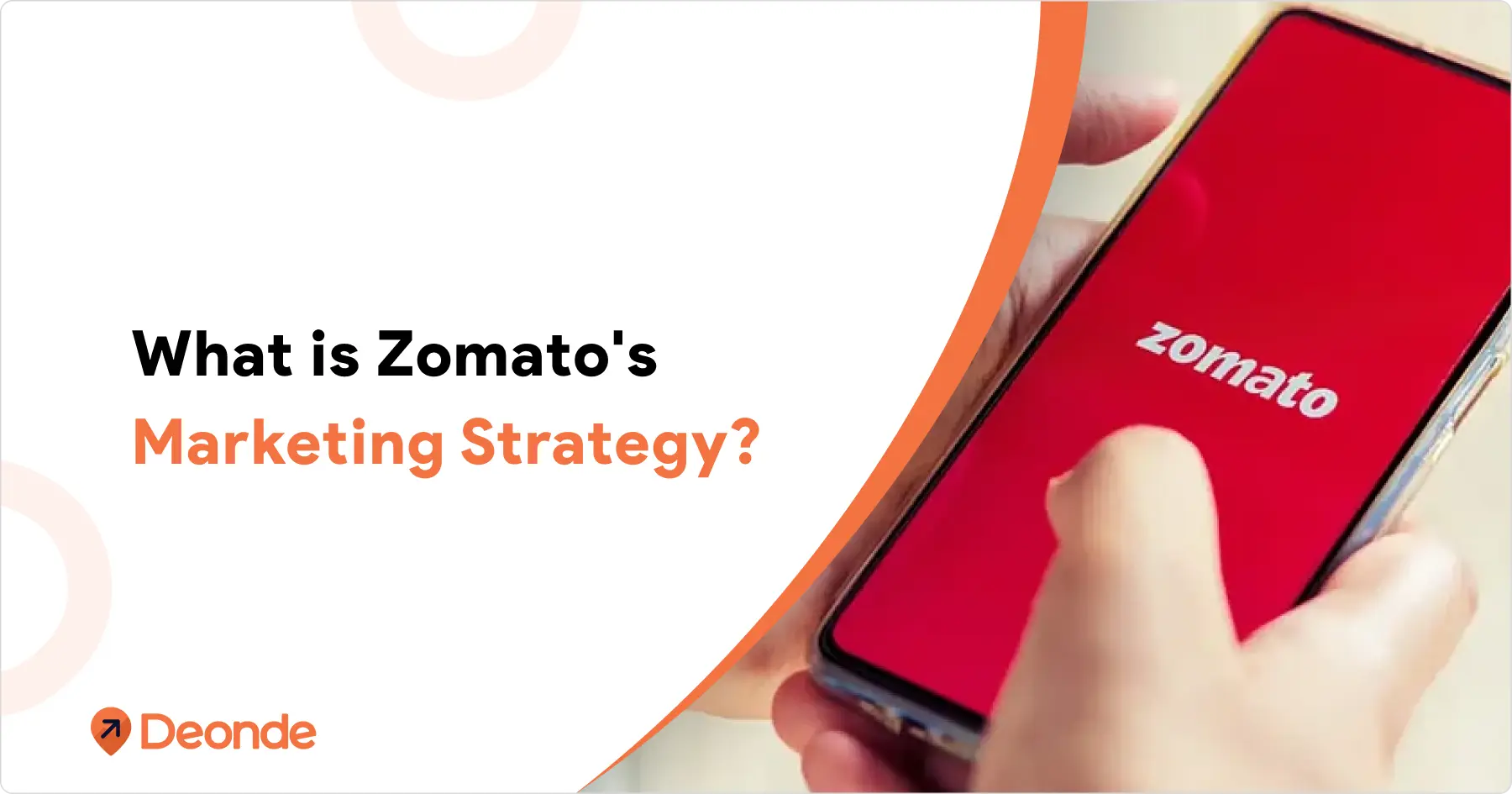
Zomato, one of India’s leading food delivery platforms, has mastered the art of digital marketing. But what exactly is Zomato marketing strategy, and how does it keep millions of users engaged?
Zomato is more than just a food delivery app. It is a case study in modern marketing brilliance. In a competitive landscape dominated by brands like Swiggy, Uber Eats, and Dunzo, Zomato has consistently stayed ahead through creative, data-driven, and customer-centric strategies.
Understanding Zomato marketing strategy offers valuable insights for brands looking to build user trust, expand customer engagement, and dominate their sector. From hyperlocal advertising to meme-worthy social media campaigns, Zomato has redefined how tech startups communicate with their audience.
This blog explores Zomato’s approach to marketing across various channels, showcasing how it blends storytelling, personalization, and performance marketing into one cohesive, scalable strategy.
The Foundation of Zomato’s Brand Positioning Strategy
Zomato’s journey began with clearly understanding its target audience’s pain points. Instead of positioning themselves as just another food delivery service, they established themselves as a lifestyle brand that understands the modern consumer’s relationship with food.
Their brand positioning revolves around three core pillars: convenience, discovery, and community. This strategic foundation has enabled them to create marketing campaigns that don’t just sell food delivery – they sell experiences and emotional connections.
The company’s early focus on restaurant discovery and reviews helped it build a comprehensive database of food establishments. This data became the backbone of their personalized marketing efforts, allowing them to target users with relevant content and offers based on their dining preferences and behaviours.
Future Startups should note that positioning is not just about logos or taglines, it’s about how customers perceive your value. Zomato has carefully shaped its perception through user trust, consistent communication, and user-focused innovation.
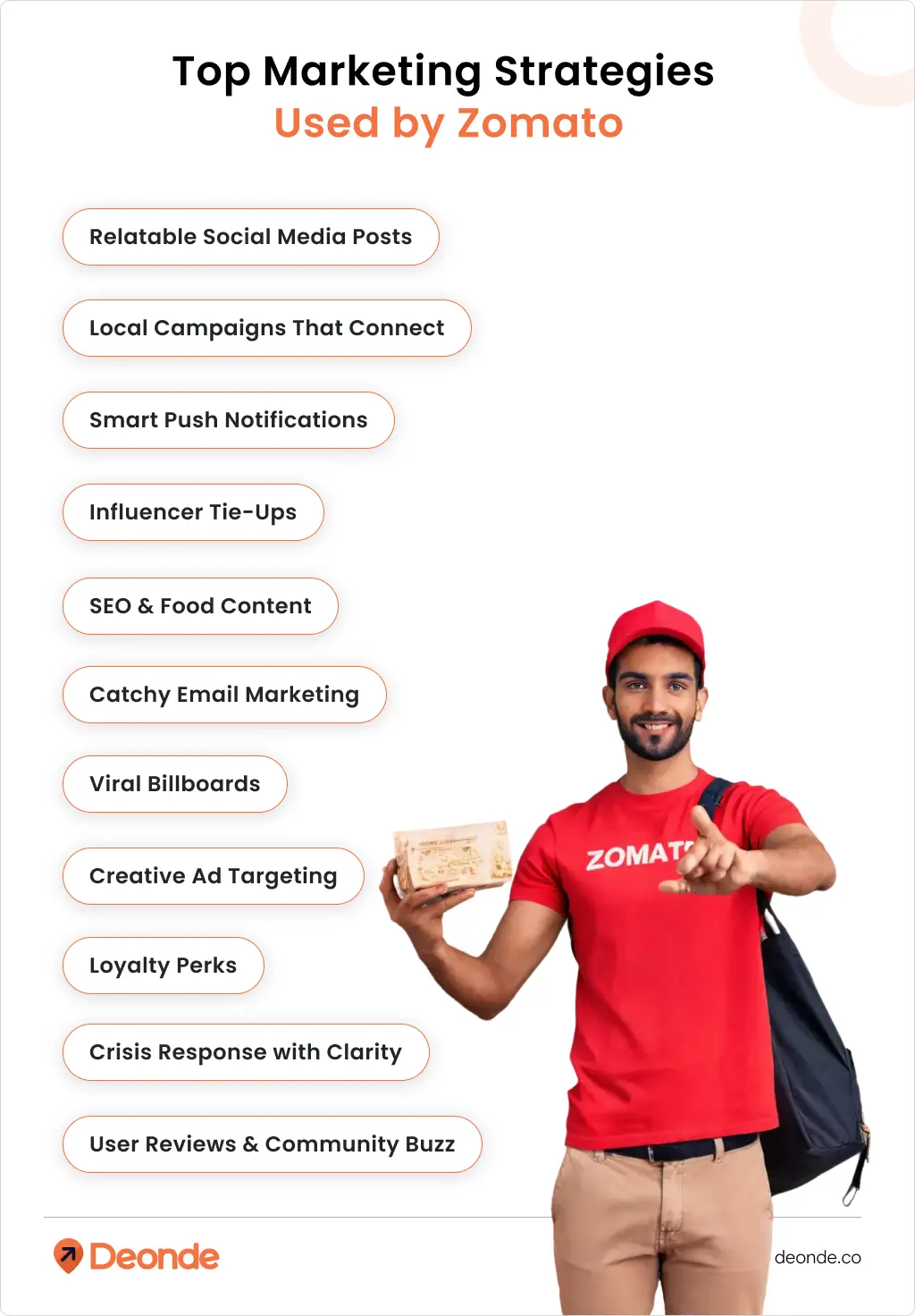
Inside Zomato’s Playbook: Top Marketing Strategies That Attract Millions
Zomato’s growth isn’t accidental—it results from smart, multi-channel tactics. Here’s what makes its strategy stand out:
Zomato Social Media Marketing with a Human Voice
Zomato’s social media channels are designed to feel less like brand broadcasts and more like a friend sending a meme. Humour, food cravings, and trending cultural moments form the base of its content strategy.
Channels and Reach:
Zomato connects with users across multiple platforms, each tailored to its audience:
- Instagram: ~1.3 million followers (estimated). Known for stunning food photos, reels, and interactive stories that trigger cravings.
- YouTube: ~1.2 million subscribers (estimated). Features food vlogs, restaurant tours, and animated ads.
- LinkedIn: ~576K subscribers (estimated). Shares professional updates and industry insights with sleek visuals.
- Twitter/X: ~1.5 million followers (estimated). Ideal for quick, witty posts and trending hashtags.
- Facebook: ~1.9 million followers (estimated). Mixes promotions, polls, and community posts with colorful designs.
Their Twitter, Instagram, and LinkedIn profiles are built on a foundation of meme marketing, moment marketing, and food-centric humour. This strategy not only drives engagement but also ensures strong brand recall among younger digital-first audiences.
Examples of Zomato’s Social Posts:
Zomato’s posts are tailored to spark engagement and drive orders. Here’s how they use each strategy and the benefits they gain:
1. Creative Posts: Out of the Box, Best Design
Zomato uses bold, innovative visuals like animated reels or quirky designs to make their posts stand out. They create eye-catching content that showcases food in exciting ways, grabbing users’ attention on crowded feeds. This approach boosts engagement by making users stop and interact, leading to more app opens and orders.
2. Humour
Zomato shares witty, food-related jokes that feel like a friend’s text, poking fun at everyday moments like late-night cravings. Their humorous posts make users laugh and share, increasing brand recall. This strategy builds a loyal, engaged audience that keeps coming back to Zomato for both food and fun.
View this post on Instagram
3. Moment Marketing
Zomato jumps on real-time trends like cricket matches or Bollywood releases with quick, relevant posts. By staying timely, they connect with users in the moment, making the brand feel current and relatable. This strategy increases clicks and orders as users engage with content tied to what’s trending.
View this post on Instagram
4. Days Post
Zomato celebrates special days like Father’s Day or Independence Day with food-focused content, such as promoting family meals or patriotic dishes. These posts create emotional connections, making users feel understood and inspired to order. This approach drives higher order volumes on these days and strengthens brand loyalty.
Tips: meme marketing isn’t just about humour, it’s about being real-time, platform-native, and audience-first. Use social listening tools to ride trends, and build a content calendar that includes moment marketing opportunities just like Zomato. Startups building food delivery apps should aim to create an emotional connection, not just feed bellies.
Hyperlocal Campaigns for Regional Relevance
Zomato understands India’s regional diversity. Their marketing campaigns are localized based on language, cuisine preferences, and regional festivities.
During festivals like Durga Puja in West Bengal or Pongal in Tamil Nadu, Zomato showcases regional dishes, tailors app banners and notifications, and pushes messages accordingly.
These localized campaigns make customers feel seen and understood. It turns a transactional experience into a cultural one.
Zomato’s hyperlocal strategy also involves geo-targeted ads and notifications based on pin codes, improving relevance and click-through rates.
Zomato has partnered with the Indian Railway Catering and Tourism Corporation (IRCTC) to serve train passengers. This partnership allows travellers to order food from the Zomato app using their PNR number, with meals delivered directly to their seats.
This move is a brilliant example of a hyperlocal strategy that goes beyond city limits. By solving a common pain point for millions of train passengers, Zomato has positioned itself not just as a delivery app for cities but as a reliable service even while travelling. It effectively expands their market and proves their commitment to customer convenience.
View this post on Instagram
Mastering App Push Notifications
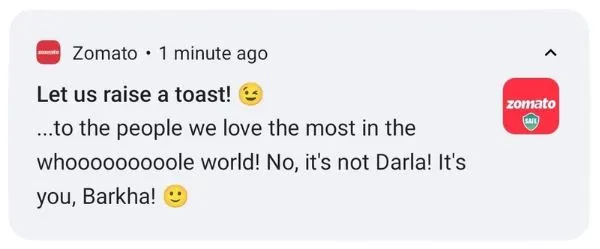
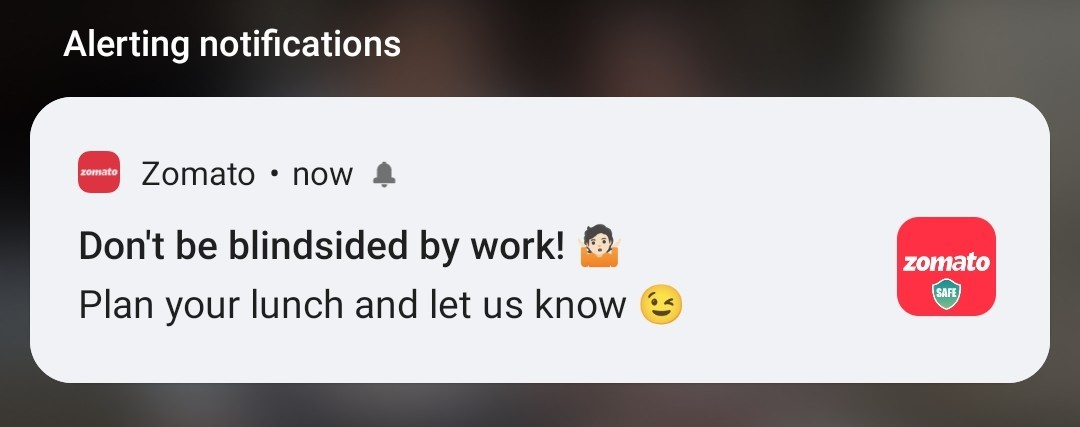
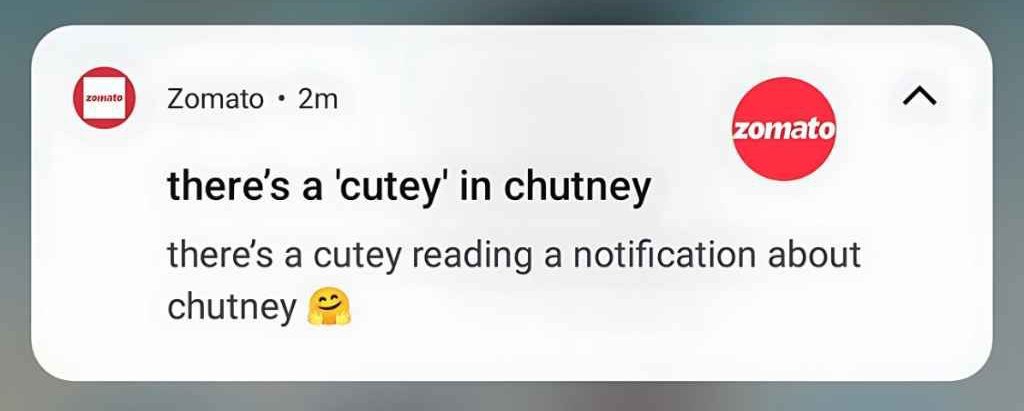
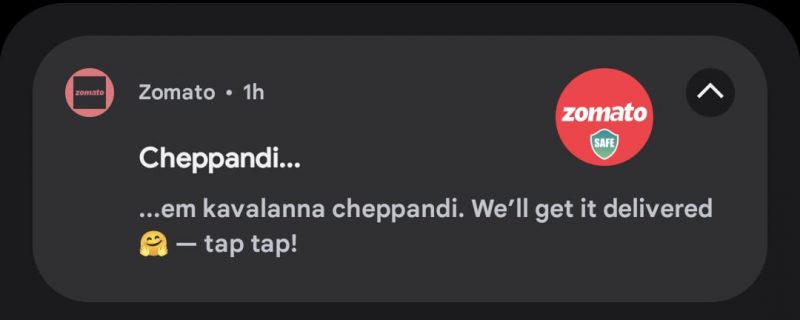
Push notifications are one of Zomato’s strongest engagement tools. Instead of generic promotions, Zomato sends time-specific, behaviour-based, and humorous messages.
Zomato uses machine learning to understand when users are most likely to convert. Timing and relevance are key, turning a notification into a craving and ultimately, an order.
They also A/B test copy styles and formats to improve notification open rates. This balance of humour and utility is a cornerstone of Zomato’s marketing strategy.
Influencer and Creator Collaborations
Zomato partners with influencers, food bloggers, and YouTubers to increase reach and brand affinity. These collaborations help Zomato tap into different consumer segments with authentic voices.
Rather than pure sponsorships, Zomato often co-creates campaigns where influencers participate in challenges, reviews, or recipe contests. This approach drives higher engagement.
Influencer marketing is particularly effective during new feature launches or city expansions, where localized credibility matters.
Collaborations with nano and micro influencers have helped Zomato remain agile and cost-effective while maintaining brand trust.
Content Marketing and SEO for Discoverability
Zomato’s Website is a strong pillar of its inbound strategy. They rank highly for keywords like “best restaurants in Bangalore” and “budget-friendly cafes in Delhi.”
Their location-based SEO content helps capture high-intent users who are already searching for places to eat. These pages naturally convert to app installs and orders.
User-generated reviews also boost local SEO. Zomato leverages structured data markup and rich snippets to improve search visibility.
With food photos, ratings, menus, and maps embedded directly on their blog and app, Zomato dominates both organic and voice search real estate.
Zomato’s Email Marketing: Ways to Grab Attention
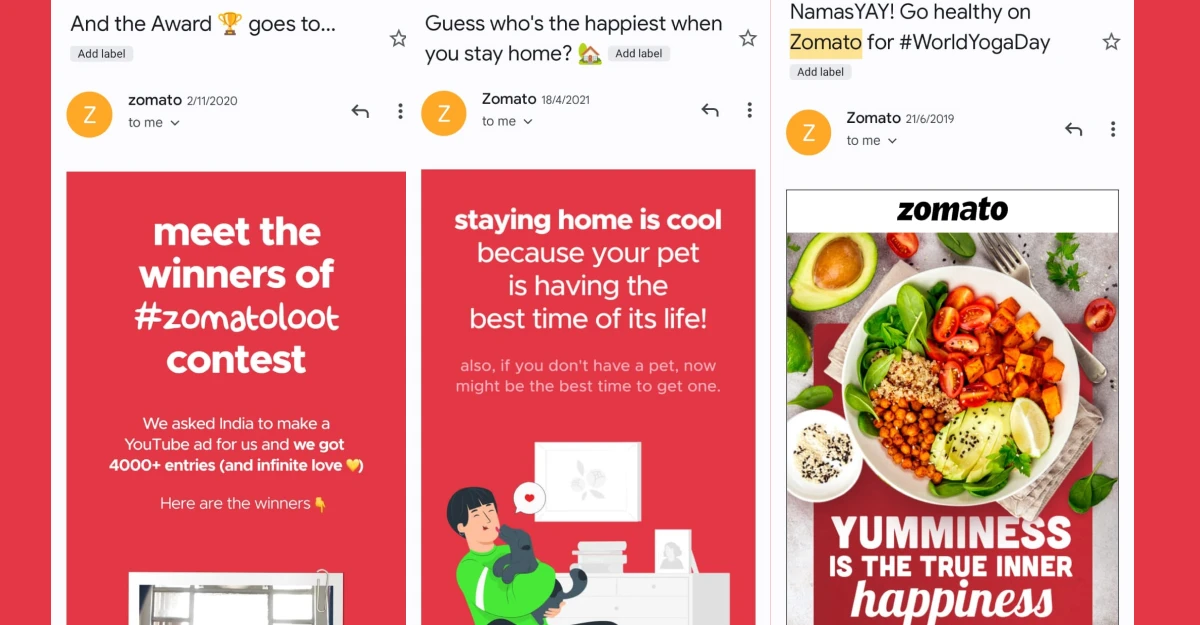
Zomato makes its email marketing super exciting by using humour and creativity to connect with people. Instead of boring subject lines and simple “Order Now” buttons, they add funny one-liners and cool ideas.
For example, they once turned an email into a CV and swapped “Order Now” with “Hire Now.” Another time, they used a subject line like “Your Food Is Waiting—Swipe Right!” to mimic dating apps.
This clever twist gets readers hooked and leaves a strong memory, even if they don’t order right away. Just like a catchy song you can’t forget, Zomato’s witty emails—like “Dinner Date with Zomato?”—build brand love and keep people interested!
Zomato and BlinkIt Billboards: Eye-Catching Outdoor Ads
Zomato and BlinkIt use colourful, fun billboards to stand out everywhere. With phrases like “doodh mangege, doodh denge” (ask for milk, we’ll give milk) from BlinkIt and “kheer mangege, kheer denge” (request for kheer, we’ll provide kheer) from Zomato, these ads use bright yellow and red colours to catch your eye.
They even add humour with lines like “permission mangege, nahi denge” (ask for permission, we won’t give it) tagged with “-parents.” Another example is Zomato’s “Pizza Mangege, Party Denge” (ask for pizza, we’ll give a party).
This is similar to how MC (Master of Ceremonies), BC (Before Christ), and Fine Dine use catchy names to stick in your mind—Zomato’s billboards are like a “Fine Dine” promise of delicious food, making them hard to ignore on busy streets!
View this post on Instagram
Creative Performance Marketing
Zomato combines creative storytelling with strong performance marketing. Their ad creatives often mirror their social tone, funny, cheeky, and food-centric.
Paid campaigns are optimized across Google Ads, Facebook, YouTube, and local OTT platforms. They use CPC and CPA bidding models to maximize conversions.
Retargeting ads remind users of abandoned carts, favourite restaurants, or new launches in their locality. These highly personalized touchpoints improve ROAS (Return on Ad Spend).
Zomato also runs multi-format display ads featuring dish images, location-based offers, or customer reviews each tailored for the user’s journey stage.
Loyalty Programs and Customer Retention
Zomato Pro (formerly Zomato Gold) is a premium loyalty program offering discounts, priority delivery, and exclusive access to partner restaurants.
This program helps in retaining high-value customers. It also increases order frequency and average ticket size.
Customers are more likely to stick with Zomato once they invest in a loyalty tier. This long-term strategy also strengthens brand loyalty.
Zomato Pro marketing includes targeted emails, push notifications, and limited-time upgrades, encouraging users to commit.
Crisis Management and Transparent Communication
During the COVID-19 pandemic, Zomato adapted quickly. They launched contactless delivery, prioritized hygiene messaging, and updated safety protocols regularly.
Their transparent approach to health and safety built trust. Zomato also highlighted how they supported delivery partners during lockdowns.
The brand maintained consistent, clear messaging across all platforms, showcasing operational resilience and user empathy.
This helped retain users and build long-term goodwill even in times of uncertainty.
User-Generated Content and Community Engagement
Zomato encourages reviews, photos, and ratings. This content builds trust and adds credibility, especially for new users or restaurants.
Gamification through badges and milestones encourages users to stay active and contribute to the platform’s ecosystem.
Their community-building extends to food forums, social contests, and themed challenges. All of this contributes to organic brand amplification.
Zomato also curates food guides, user stories, and trends that keep users engaged even outside the transaction.
Zomato Clone Zomato Alternative
Zomato Future Trends and Innovations
Looking ahead, Zomato continues to innovate its marketing approach by exploring emerging technologies and platforms. They’re experimenting with voice commerce, chatbot interactions, and immersive experiences that could reshape how customers interact with food delivery services.
Zomato has also integrated AI into its customer service operations. An in-house AI platform, Nugget, handles millions of customer interactions each month, automatically resolving up to 80% of customer queries.
Zomato recently launched an AI-powered chatbot that acts as a “foodie friend.” This tool recommends restaurants and dishes based on a user’s preferences, dietary needs, and even their current mood.
Sustainability and social responsibility are becoming increasingly important in their marketing narrative. They’re incorporating environmental consciousness and social impact into their brand story to appeal to socially aware consumers.
These innovations could provide new marketing opportunities and differentiate them from competitors.
Why Zomato’s Marketing Strategy Stands Out
Zomato’s marketing isn’t just about acquiring users. It’s about building emotional resonance, trust, and long-term loyalty.
They blend real-time data with cultural relevance, speaking to people how they want to be spoken to. That’s modern marketing.
Combining tech, design, human psychology, and performance makes Zomato marketing strategy one of the most effective in the digital landscape.
Their ability to evolve quickly, personalize at scale, and remain consistent across touchpoints is what gives them a competitive edge.
Conclusion
Zomato marketing strategy stands out for its creativity, cultural relevance, and customer focus. From witty social media content to hyperlocal campaigns and influencer collaborations, Zomato connects with users on an emotional and personal level.
By combining data-driven decisions with relatable storytelling, the brand drives engagement and builds lasting loyalty. For marketers and startups alike, Zomato offers a masterclass in how to stay relevant, innovative, and user-first in a competitive digital world.
Ready to dominate your local market? Build a food delivery app with your brand in just 7 days and launch quickly with our affordable, white-label subscription model.
FAQ’S
1. What is Zomato’s marketing strategy?
Zomato uses digital marketing, funny social media posts, and SEO to attract customers. They run Google ads, partner with food influencers, and offer discounts through Zomato Gold. Events like Zomaland and local campaigns help them connect with users.
2. What is Zomato’s market structure?
Zomato operates in an oligopoly, competing with a few big players like Swiggy in the food delivery market. They dominate by offering restaurant discovery, food delivery, and dining services across many cities.
3. What is Zomato’s email marketing strategy?
Zomato sends personalized emails with discounts, order updates, and restaurant recommendations. They use catchy subject lines and target users based on their preferences to boost engagement and repeat orders.