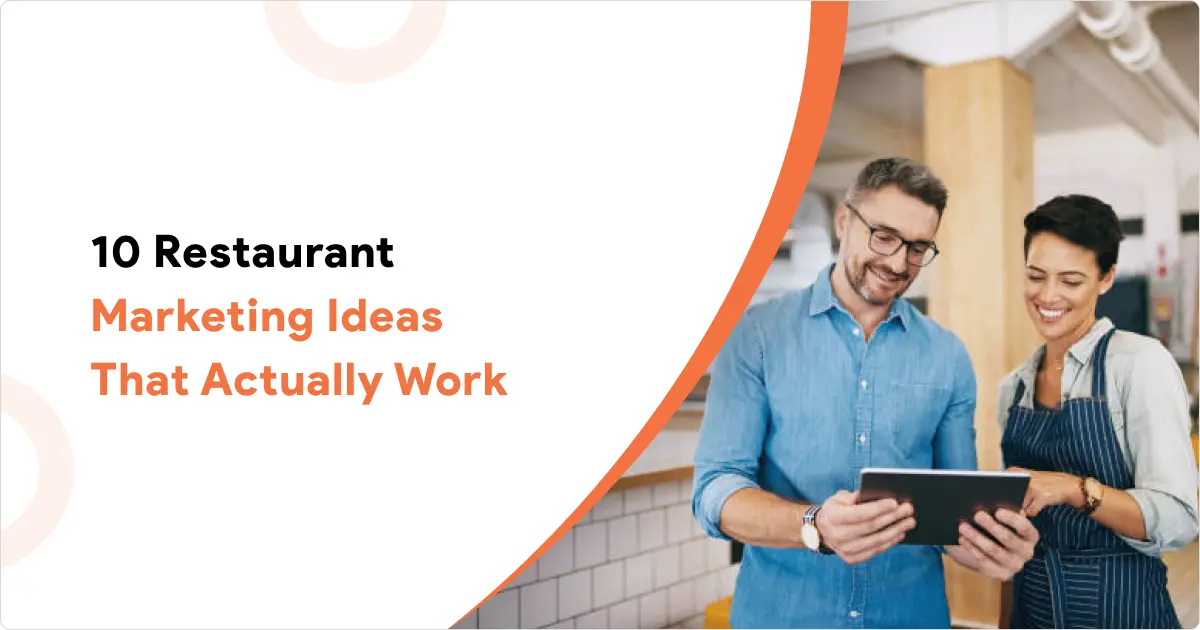
Running a restaurant without smart restaurant marketing ideas is like cooking amazing food that nobody knows exists. Most restaurant owners focus entirely on perfecting their recipes while ignoring the customers walking past their front door every day.
Here’s the truth: great food alone doesn’t guarantee success. The best restaurants combine delicious meals with clever marketing that brings people through the door consistently.
One expert says to run Instagram ads. Another says focus on influencers. There’s somebody else who lives on discounts week in and week out.” You try a few things, you spend some money, you get some likes … and sales barely budge.
What actually works? Simple strategies that meet your customers where they already spend their time. People discover restaurants differently now than they did even three years ago.
They’re scrolling Instagram during lunch breaks, checking Google reviews in parking lots, and asking their phones where to eat dinner tonight.
Each strategy works for different types of restaurants – whether you run a small cafe, family diner, or upscale restaurant. The key is picking the right methods for your situation and doing them well.
This guide shares ten restaurant marketing ideas that deliver real results. Each one is practical, affordable, and designed for restaurant owners who need marketing strategies that actually work.
Let’s get started.
What is Restaurant Marketing, Really?
Restaurant marketing is everything you do to get people through your door and keep them coming back. It includes everything from your social media posts and Google presence to your loyalty programs and community events.
Good marketing doesn’t require big budgets or fancy ads. It’s about making sure hungry people in your area know you exist and understand why they should choose your restaurant over others nearby.
What is Online Marketing?
Online marketing means promoting your restaurant through digital channels—your website, social media platforms, Google searches, email campaigns, and food delivery app. This is where most customers discover restaurants today since they’re constantly on their phones searching for places to eat.
What Is Offline Marketing ?
Offline marketing covers traditional methods like flyers, local newspaper ads, billboards, sponsoring community events, and word-of-mouth referrals. While digital gets more attention these days, offline tactics still work incredibly well for building local neighborhood connections and trust.
Also Read: https://deonde.co/blog/restaurant-marketing-tips-holiday-season/
Here is 10 Must-Use Restaurant Marketing Ideas That Actually Work
1. Build a Seamless Online Ordering Experience That Actually Works
Your online ordering system for restaurants should be faster than calling and easier than walking in. Most restaurant websites & mobile apps frustrate customers with slow loading times, confusing menus, and checkout processes that crash at the worst moment.
What a proper system includes:
- Smooth table reservations – Customers should book a table in under 30 seconds without creating an account or filling out endless forms. Show real-time availability so they’re not guessing whether you have space. Send automatic confirmation texts or emails so they don’t forget their reservation.
- Easy online order management – Your takeout and delivery orders should flow directly into your kitchen system without staff manually entering them. This eliminates errors, speeds up service, and frees your team to focus on food quality instead of typing orders into tablets.
- Mobile-first design – Big buttons, clear menu categories, high-quality food photos, and a checkout process that remembers customer preferences. Whether customers use your website on their phone or download your dedicated app, the experience should feel effortless.
Make sure your ordering system works perfectly on phones since 75% of orders now come from mobile devices.
The restaurants winning right now make ordering so simple across both web and app that customers choose them purely based on convenience.
2. Online Reviews Management Like Your Reputation Depends on It
Online reviews are the new word-of-mouth, except they’re permanent and visible to thousands of potential customers. A single negative review sitting unanswered on Google can cost you dozens of customers who never even give you a chance becuse 90% of diners check reviews before choosing where to eat.
How to manage reviews effectively:
- Respond to every review within 24 hours – Thank happy customers by name and acknowledge specific details they mentioned. For negative reviews, apologize sincerely, address their concern directly, and offer to make it right offline. Never argue or get defensive publicly.
- Ask satisfied customers to leave reviews – Train your staff to mention it naturally: “If you enjoyed your meal, we’d love it if you could share your experience on Google.” Timing matters—ask right after a great interaction, not when handing the check.
- Monitor multiple platforms – Don’t just watch Google. Check Yelp, Facebook, and any food delivery apps you’re on. Set up alerts so you know immediately when someone reviews you.
- Turn negative feedback into improvements – If three people mention slow service during lunch rush, that’s not bad luck—that’s data telling you to adjust staffing. Use reviews as free consulting advice.
- Showcase great reviews – Share positive reviews on your social media and website. When customers see real people praising your food and service, it builds trust faster than any ad you could run.
Guide to how to respond to positive and negative restaurant reviews
3. Create a Loyalty Program That Actually Rewards Customers
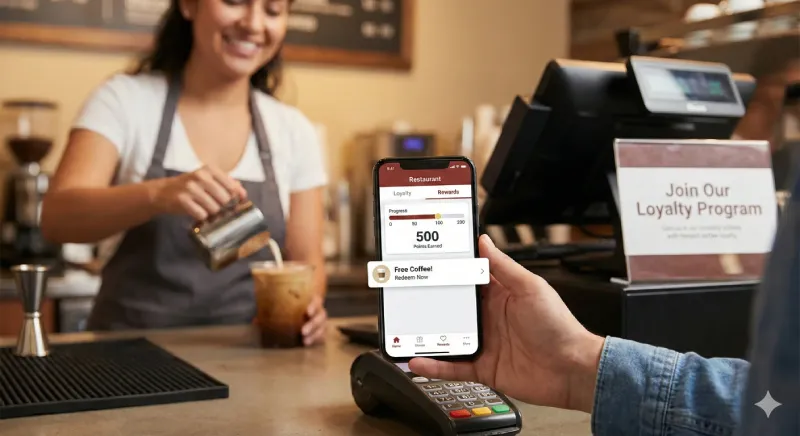
Most restaurant loyalty programs fail because they’re too complicated or take forever to earn anything meaningful. Customers lose interest when they need to spend $500 just to get a free appetizer.
- Make rewards achievable quickly – Offer something valuable after just 3-4 visits, not 10. A free dessert or appetizer after spending $60 keeps customers engaged and coming back soon.
- Use simple point systems – Every dollar spent equals one point. 100 points gets a $10 reward. Customers can calculate their progress instantly without needing a math degree.
- Send personalized offers based on ordering habits – If someone always orders pizza on Fridays, text them Thursday with “Your usual Friday pizza is ready for pre-order with 10% off.”
- Track everything digitally – Skip punch cards that customers lose. Use a simple app or phone number lookup system. Staff can check loyalty status in seconds during checkout.
- Reward frequency – not just spending. Give bonus points for visiting multiple times per month. A customer who spends $20 five times is more valuable than someone who spends $100 once.
The best loyalty programs feel like getting rewarded for something you were already planning to do.
4. Use Seasonal Menu Launches to Create Excitement
Seasonal menus give customers a reason to visit your restaurant multiple times per year. People get bored eating the same dishes repeatedly, but limited-time offerings create urgency and excitement.
How to make seasonal launches work:
- Tie items to actual seasons and local ingredients – Summer menus featuring fresh tomatoes and berries, fall menus with pumpkin and apple dishes, winter comfort foods, spring salads. Using seasonal ingredients not only tastes better but also reduces costs since produce is abundant and cheaper.
- Create signature seasonal items people anticipate – Think Starbucks Pumpkin Spice Latte level anticipation. When customers start asking “Is your summer peach salad back yet?” you’ve created a tradition that drives repeat visits year after year.
- Use menu management software to track seasonal changes – Modern menu management software helps you organize seasonal items, track ingredient costs, and update your website and ordering system automatically.
5. Use Smart On-Site Marketing to Increase Sales
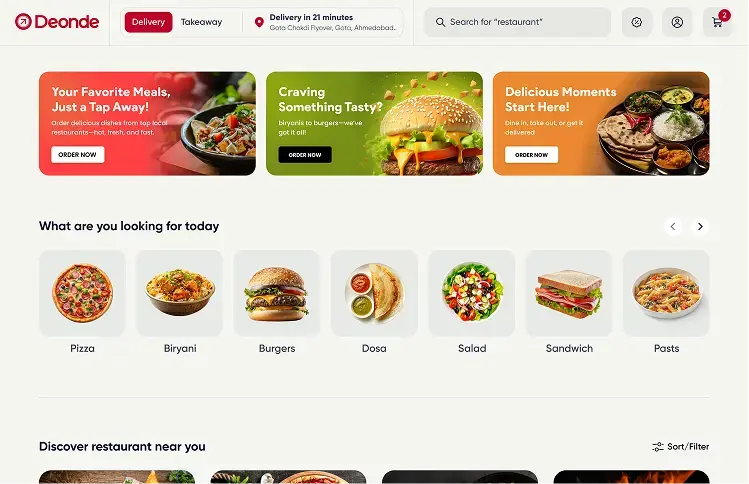
Your restaurant’s physical space, website, and mobile presence are all prime advertising opportunities that most owners completely waste. Every wall, webpage, and app notification is a chance to promote specials and increase order values.
- Place promotional banners where customers wait – Put “Try Our New Dessert Menu” signs near the host stand where people stand for tables. Customers have time to read and get interested while waiting.
- Use table tents to showcase high-profit items – Instead of generic “Thank You” cards, display your most profitable appetizers or signature cocktails. Customers study these while deciding what to order.
- Put promotional banners on your homepage – When customers visit your website to check hours or browse the menu, they immediately see “New Fall Menu Available” or “Free Delivery This Week” right at the top.
- Send strategic push notifications – Text loyal customers “Today Only: Free appetizer with any entree order” during slow lunch periods to fill empty tables. Time these messages when people are deciding where to eat.
Smart marketing feels helpful, not pushy. Customers appreciate learning about options they might enjoy, especially when they’re already planning to spend money at your restaurant.
6. Build Email Marketing Campaigns That Fill Tables
Email marketing remains one of the highest-return investments for restaurants, but most owners send boring newsletters that customers immediately delete. Smart email campaigns feel personal and drive immediate action.
Send weekly specials, not daily spam. One well-crafted email per week works better than daily promotions. Customers look forward to “This Week’s Specials” emails when they contain genuine value.
Segment your email list by preferences. Send pizza lovers information about new pizza specials, while vegetarian customers get plant-based menu updates. Personal relevance increases open rates dramatically.
Include clear calls to action. Every email should have one main goal: “Reserve your table for Friday’s wine dinner” or “Order online with code SAVE15.” Make it obvious what you want customers to do next.
7. Try Paid Search Engine Marketing to Capture Hungry Customers
Paid search ads put your restaurant at the top of Google when people search for “restaurants near me” or “pizza delivery.” These customers are already hungry and ready to order – you just need to be visible when they’re looking.
- Start with Google Ads for local searches – Target phrases like “Italian restaurant [your city]” or “best burgers near me.” People searching these terms are actively looking for places to eat right now.
- Use location targeting to reach nearby customers – Focus your ads on people within 5-10 miles of your restaurant. Someone searching for pizza from 50 miles away probably won’t drive to your location.
- Track phone calls and online orders from ads – Use Google’s call tracking to see which keywords make your phone ring. This digital marketing strategies approach helps you spend money only on ads that bring real customers.
Stop ads that don’t generate orders within two weeks of testing.
8. Collaborate With Local Influencers and Businesses
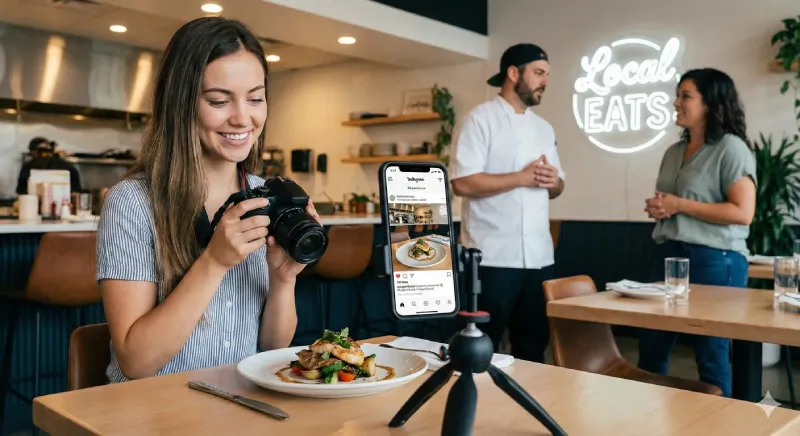
You don’t always need big influencers or large budgets to grow your restaurant. Local partnerships often work better.
Local food influencers and creators have a small but trusted audience from your own area. When they visit your restaurant and share their experience, it feels real and believable to their followers.
You can also partner with nearby businesses to reach new customers, such as:
- Gyms, offices, salons, or co-working spaces
- Cafés or stores in the same locality
- Apartment societies or local communities
These partnerships can include cross-promotions, special discounts, or joint offers that benefit both sides.
The biggest advantage is trust. People are more likely to try a restaurant when it’s recommended by someone local or a business they already know. Over time, these partnerships help your restaurant become a local favorite, not just another option.
9. Follow Trending Memes and Apply Them to Your Restaurant
Social media trends and memes spread faster than wildfire, and smart restaurants jump on popular concepts to get massive free exposure.
The key is adapting trends to fit your restaurant naturally, not forcing awkward connections.
- Monitor trending hashtags and challenges daily – Check TikTok, Instagram, and Twitter for food-related trends that are gaining momentum. When you spot something early, you can create content before the trend gets oversaturated.
- Adapt trends to showcase your food – If there’s a “rate my plate” trend, post photos of your signature dishes asking customers to rate them. If “behind the scenes” content is trending, show your kitchen prep or ingredient selection process.
- Create your own restaurant-specific challenges – Start a “finish our giant burger challenge” or “guess the secret ingredient” series. Original challenges can go viral and bring customers specifically to try the featured items.
- Use trending audio with your food videos – Popular TikTok sounds get more visibility in the algorithm. Pair trending music with satisfying cooking videos or time-lapse food preparation clips. Many restaurants also use a meme maker to create quick, relatable content that drives engagement.
- Jump on trends quickly but authentically – Trends have short lifespans – participate within 24-48 hours of spotting them. But make sure the trend actually fits your brand and doesn’t feel forced or desperate.
The goal is entertainment that happens to feature your restaurant, not obvious advertising disguised as trend participation.
Also Read: How to Make a Food Ordering Website for Your Restaurant
10. Host Festival Events and Sponsor Local Celebrations
Festival events and local sponsorships put your restaurant at the center of community celebrations, creating positive associations that last long after the event ends. People remember restaurants that support their neighborhood gatherings.
Sponsor local community events like school fundraisers or charity runs. Your restaurant name appears on event materials, and attendees see you as a business that cares about the community. This new restaurant marketing approach builds long-term goodwill.
Partner with local festivals as a food vendor. Set up a booth at street fairs, farmers markets, or music festivals. People who try your food at events often become regular customers at your main location.
Create your own annual signature event. Host “Annual Chili Cook-Off” or “Summer BBQ Championship” that becomes something people look forward to each year. Signature events establish your restaurant as a community gathering place.
Festival marketing works because it connects your restaurant with positive emotions and community pride.
Conclusion: Start Small, Think Big
Successful marketing for restaurants doesn’t happen overnight, but it doesn’t require massive budgets either. The restaurants that thrive pick 2-3 strategies from this list and execute them consistently rather than trying everything at once.
Start with the basics first. Fix your online ordering system and Google reviews before launching influencer campaigns. Master email marketing before investing in paid ads. Strong foundations support everything else you build.
Track what actually brings customers through your door. Use discount codes, ask new customers how they found you, and monitor which restaurant marketing tips generate real sales. Stop spending time and money on tactics that don’t work for your specific situation.
Remember that great food is still your best marketing tool. All the social media posts in the world can’t save a restaurant with mediocre food and poor service. These marketing strategies amplify what you’re already doing well – they don’t replace quality.
Stay consistent with whatever you choose. Posting on social media twice a week for six months beats posting daily for two weeks then stopping. Customers notice reliability, and search engines reward consistent activity.
The restaurant business is competitive, but customers are always looking for their next favorite place to eat. Use these proven restaurant marketing strategies to make sure they find you instead of your competitors.